How to Maintain Laboratory Instruments for Accurate Test Results (2026 Guide)
Scispectrum Lab Essentials
How to Maintain Laboratory Instruments for Accurate Test Results (2026 Guide)
Laboratory instruments play a critical role in scientific research, quality control, environmental testing, and industrial analysis. Whether a laboratory is performing water testing, pharmaceutical analysis, or food quality testing, the accuracy and reliability of results depend heavily on properly maintained equipment. Even the most advanced instruments can produce inaccurate results if they are not maintained, calibrated, or handled correctly.
Why Laboratory Instrument Maintenance Is Important
Ensures accurate test results — instruments such as balances, spectrophotometers, and pH meters must provide precise measurements. Poor maintenance can lead to incorrect readings. Extends equipment lifespan — routine cleaning, calibration, and servicing help prevent wear and damage. Maintains regulatory compliance — properly maintained instruments help laboratories comply with quality standards and audit requirements. Reduces downtime — regular maintenance helps identify potential issues early. Improves laboratory safety — maintained equipment operates safely and reduces the risk of accidents.
Common Laboratory Instruments That Require Regular Maintenance
Almost every instrument in a laboratory requires periodic maintenance, including analytical balances, pH meters, spectrophotometers, incubators, laboratory ovens, autoclaves, centrifuges, and conductivity meters.
Common Mistakes in Laboratory Instrument Handling
Skipping calibration — failing to calibrate instruments regularly can lead to significant measurement errors. Poor cleaning practices — residues, dust, or chemical deposits can affect instrument sensors. Improper storage — instruments stored in high humidity, extreme temperatures, or dusty environments may deteriorate faster. Overloading equipment — using instruments beyond their recommended capacity can damage sensitive components. Lack of training — improper operation by untrained personnel can lead to misuse.
Essential Laboratory Instrument Maintenance Practices
1. Regular Cleaning
Laboratory equipment should be cleaned after each use to remove chemical residues and contaminants: wipe instrument surfaces with lint-free cloths, use appropriate cleaning solutions, keep sensors and probes free from contamination.
2. Routine Calibration
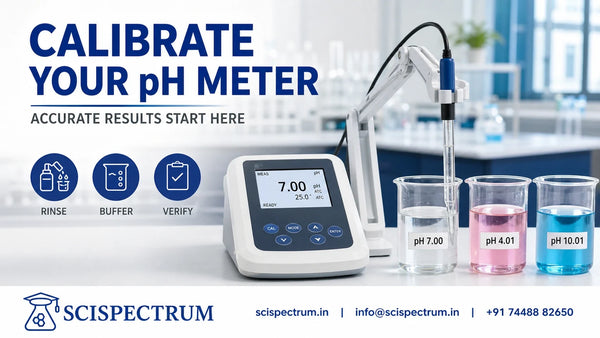
Calibration ensures that instruments provide accurate measurements. For example: pH meters should be calibrated using buffer solutions, balances should be checked with calibration weights, spectrophotometers should be verified using reference standards.
3. Scheduled Preventive Maintenance
Includes checking sensors and probes, inspecting electrical connections, replacing worn components, and verifying instrument performance. Scheduled maintenance helps identify issues before they affect results.
4. Proper Storage and Environmental Control
Laboratories should maintain controlled temperature, low humidity levels, and clean, dust-free working areas. Sensitive instruments should be stored in stable environments to prevent damage.
5. Documentation and Maintenance Records
Maintenance logs should include calibration records, service history, inspection reports, and instrument performance checks — essential for tracking equipment performance and meeting audit requirements.

Calibration vs Maintenance: What's the Difference?
| Aspect | Calibration | Maintenance |
|---|---|---|
| Purpose | Ensures measurement accuracy | Keeps equipment functioning properly |
| Frequency | Periodic | Regular or scheduled |
| Process | Comparing with known standards | Cleaning, inspection, repair |
| Outcome | Verified measurement accuracy | Improved instrument performance |
Benefits of Proper Laboratory Equipment Maintenance
Improved measurement accuracy, reduced equipment failure, lower repair costs, longer instrument lifespan, and better compliance with laboratory standards.
Lab Instruments at Scispectrum
We supply the full range of instruments covered in this guide, sourced from established brands with GST invoicing.
Frequently Asked Questions
Conclusion
Accurate laboratory results depend not only on advanced instruments but also on proper maintenance and calibration. Regular cleaning, preventive maintenance, and proper storage ensure that laboratory instruments operate reliably and produce consistent data.
Browse All Lab Instruments Get a Quote on WhatsApp