
Compare conductivity and TDS meters for RO plants, laboratory water testing and routine field checks. Start with the expected conductivity range and reporting unit, then compare the probe and calibration supplies included with each model.
-
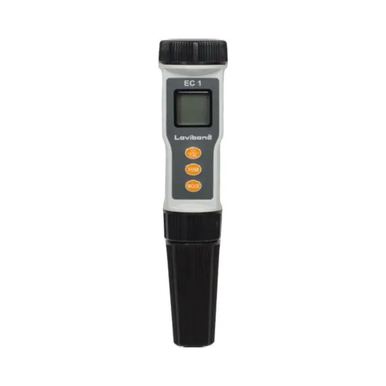 Lovibond
 EC1 4-in-1 Conductivity / TDS / Salinity / Temperature Meter
SKU: LOV-MTP-EC1Rs. 8,850.00 Incl. GST -
 Reagecon
 84 µS/cm Conductivity Standard Solution 500 ml | NIST Traceable Calibrator
SKU: REA-BF-SLN-84Rs. 3,540.00 Incl. GST -
 Reagecon
 1.30 µS/cm Conductivity Standard (250ml) | NIST Traceable Calibrator
SKU: REA-BF-SLN-1.3µsRs. 14,750.00 Incl. GST -
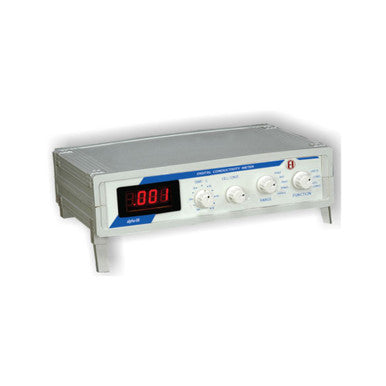 Electronics India
EI-DVI ALPHA06 Digital Conductivity Meter (Economy Model)
SKU: EI-MTP-611Rs. 9,912.00 Incl. GST -
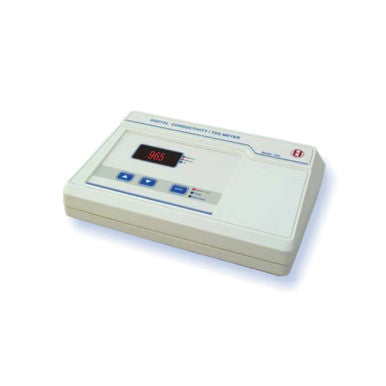 Electronics India
Digital Conductivity/TDS Meter EI-DVI Model 641: Professional Water Analysis Solution
SKU: EI-MTP-641Rs. 21,122.00 Incl. GST -
 Electronics India
Digital TDS Meter alpha05 Highly Stable & Accurate with 5 Ranges
SKU: EI-DVI-TDS-ALPHA05Rs. 9,912.00 Incl. GST -
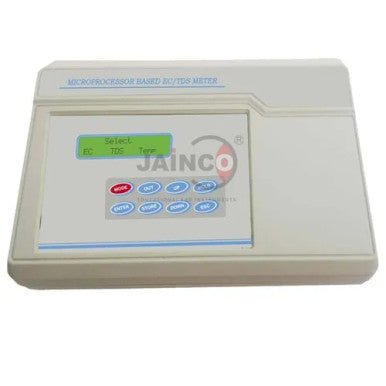 Electronics India
EI-DVI Model 1601 Microprocessor Conductivity TDS Meter
SKU: EI-DVI-TDS-1601Rs. 38,350.00 Incl. GST -
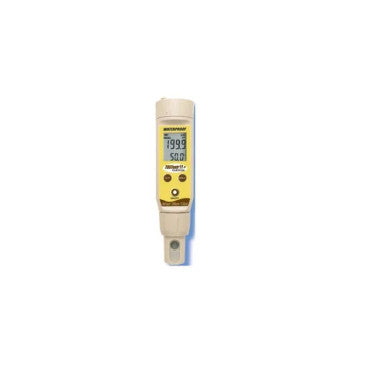 Eutech
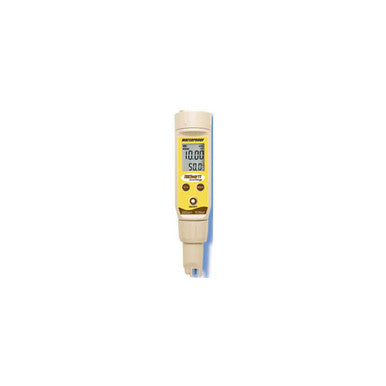
TDSTestr 11plus Waterproof TDS Tester: Dual/Multi-Range, Highly Accurate, with ATC and Replaceable Sensor
SKU: EUT-TDS-11 plusRs. 24,662.00 Incl. GST -
 Eutech
TDSTestr 11 Waterproof TDS Tester: Dual/Multi-Range, Highly Accurate, with ATC and Replaceable Sensor
SKU: EUT-TDS-11Rs. 15,222.00 Incl. GST -
 Aquasol
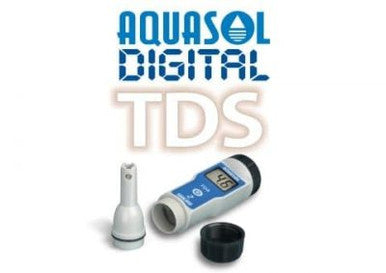
AQUASOL AMTDS01 Handheld Digital TDS Meter 0-19990 PPM
SKU: AQU-TDS-AM-TDS-01Rs. 6,195.00 Incl. GST -
 Hanna Instruments
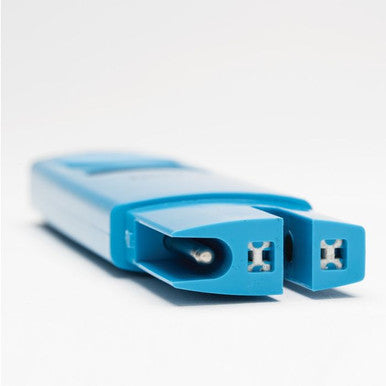
HANNA HI98302 DiST 2 Digital TDS Tester | 0-10.00 ppt Range | Automatic Calibration & ATC
SKU: HAN-TDS-98302Rs. 9,086.00 Incl. GST -
 Hanna Instruments
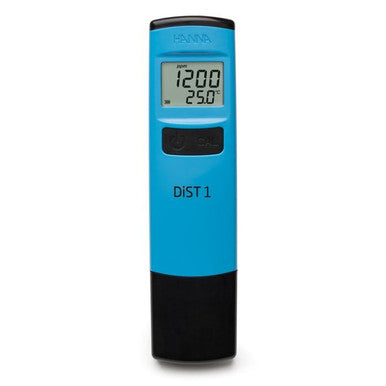
HANNA DIST 1 HI 98301 Digital TDS Tester | 0-2000 ppm Range | Automatic Calibration & ATC
SKU: HAN-TDS-98301Rs. 8,555.00 Incl. GST -
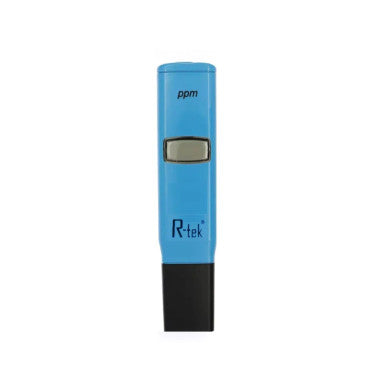 RTEK
RTEK Digital TDS Meter RK-98301 | High Accuracy Water Quality Tester 0-1999ppm
SKU: RTEK-TDS-98301Rs. 1,770.00 Incl. GST -
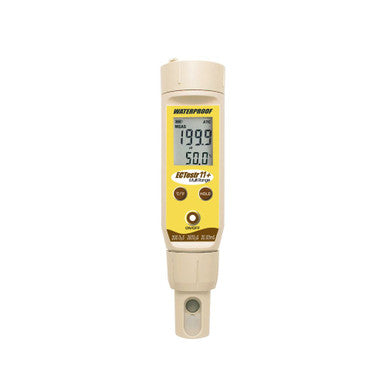 Eutech
EC TEST 11 PLS / ECTestr 11+ Multi-Range Pocket Conductivity Meter
SKU: EUT-CON-11-11+Rs. 24,662.00 Incl. GST -
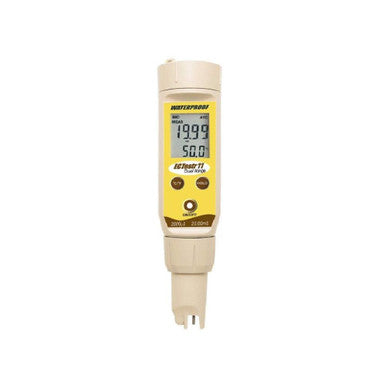 Eutech
 EC TEST 11 Waterproof Dual Range Conductivity Meter with Temperature Display
SKU: EUT-CON-11Rs. 15,222.00 Incl. GST -
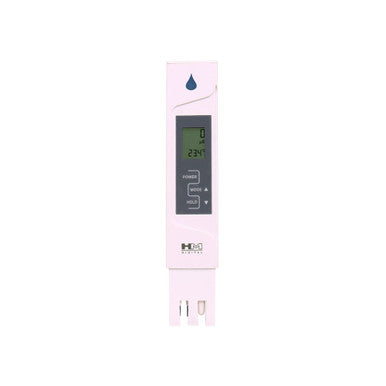 HM Digital
 AP 2 AquaPro EC Meter | Digital Water Quality Tester
SKU: HM-AP-2Rs. 1,298.00 Incl. GST -
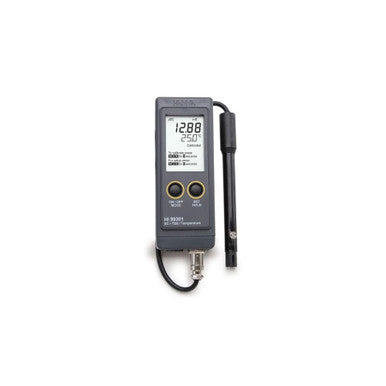 Hanna Instruments
 HI99301P Portable High-Range EC/TDS/Temperature Meter
SKU: HAN-HI99301PRs. 20,650.00 Incl. GST -
 Hanna Instruments
Hanna HI-98129 Waterproof pH, Low Range EC/TDS & Temperature Meter
SKU: HAN-HI98129Rs. 26,550.00 Incl. GST -
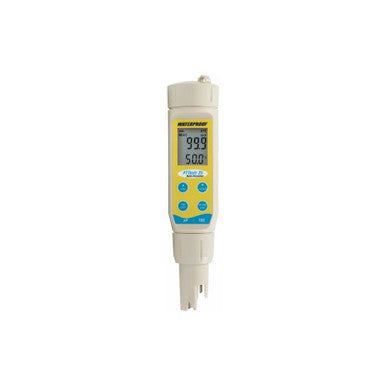 Eutech
EUTECH PTTESTr35 pH/TDS/Temperature Meter - Waterproof IP67 Combi Tester
SKU: EUT-PT-TESTR-35Rs. 25,842.00 Incl. GST -
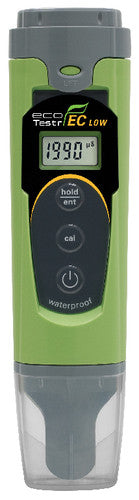 Eutech
 EcoTestr EC Low Waterproof Conductivity Tester
SKU: EUT-CON-ECTESTLOW/HIGHRs. 8,850.00 Incl. GST
Choosing a conductivity or TDS meter
Start with the reading your method requires
Electrical conductivity (EC) describes how readily water conducts electricity. Dissolved ions contribute to that reading. A typical handheld TDS meter estimates total dissolved solids from conductivity using a conversion factor. Different water chemistries can give different relationships between conductivity and dissolved mass, so confirm the factor required by your procedure and record it with the result. If your reporting method requires a gravimetric TDS test, follow that method and use the handheld reading for the screening purpose it was selected for. Compare numbers only when the units, temperature reference and calculation settings are consistent.
Choose a range for the actual sample
Write down the low and high values you expect before comparing displays. An RO operator might need to check low conductivity permeate as well as a feed sample at a much higher conductivity. For that job, check the usable range of the supplied probe at both ends, and check the resolution and accuracy separately. A range shown on the meter specification may depend on which probe is connected. If the reading drives a pass or fail decision near a limit, compare accuracy around that limit instead of choosing the model with the broadest stated range.
Check the conductivity cell and temperature setting
The cell constant describes the geometry of the conductivity cell. Manufacturers offer different cells for different conductivity ranges, so use the range stated for the meter and cell combination. For low conductivity work, check the manufacturer’s handling and calibration instructions for that cell. Confirm whether the meter shows conductivity at the measured temperature or reports a compensated value at a reference temperature. If your SOP specifies a reference or temperature coefficient, ask how to set it and how the meter records it. This matters when comparing samples taken at different temperatures or readings from two instruments.
Pick a format that suits the sampling point
A pocket tester can be convenient for quick checks at several outlets. A portable meter with a separate probe is easier to position when the sample container or access point is awkward. A benchtop setup makes sense when multiple samples are brought to a fixed station and the operator needs stable probe placement or a consistent recording workflow. For continuous monitoring, check the mounting arrangement and required outputs separately. If you sample at a tank, a drain and a lab bench, tell us which locations the same instrument must serve.
Plan calibration and consumables before ordering
Select conductivity standards supported by the meter and appropriate for the working range. Ask whether a standard is included, its volume, and whether the supplier can provide its certificate when required. Follow the manufacturer’s instructions for calibration frequency, rinsing and handling. Check whether the cell, cable or temperature probe can be replaced individually. For a comparable quote, send the sample type, expected low and high readings with units, required accuracy, number of sampling locations and any recordkeeping requirements. If replacing a meter or probe, include its exact model and part number.
Request a quote and share your application, required specifications and quantity.