
Compare pocket water quality testers for quick pH, conductivity, TDS, salinity and temperature checks. Supported readings vary by model. Choose the tester around your sample range and the checks you actually perform, whether you are monitoring an RO line, nutrient solution or routine water samples.
-
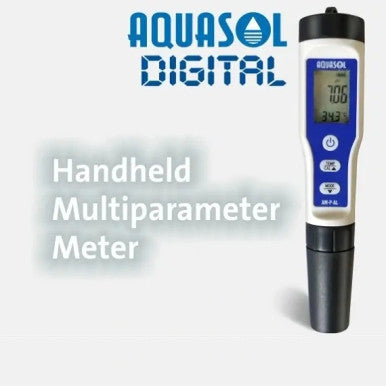 Aquasol
AQUASOL AMPAL Multi-Parameter Meter - Precise pH, Conductivity, TDS & Temperature Testing
SKU: AQU-AM-P-ALRs. 7,375.00 Incl. GST -
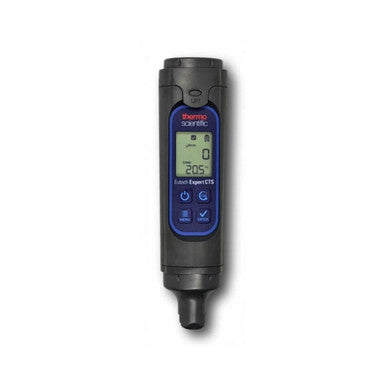 Eutech
 Expert CTS Pocket Tester | Multi-Parameter Conductivity, TDS, Salinity, Temperature Meter
SKU: EUT-PH-EXPERT-CTSRs. 12,685.00 Incl. GST -
-
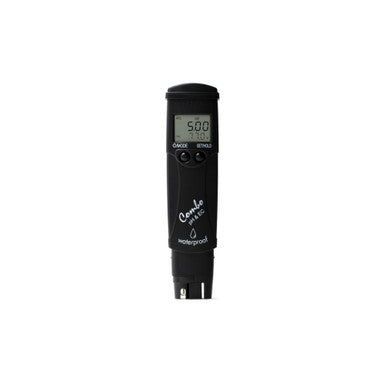 Hanna Instruments
HANNA HI-98130 Pocket pH, EC and TDS Meter - High Range
SKU: HAN-HI98130Rs. 26,550.00 Incl. GST -
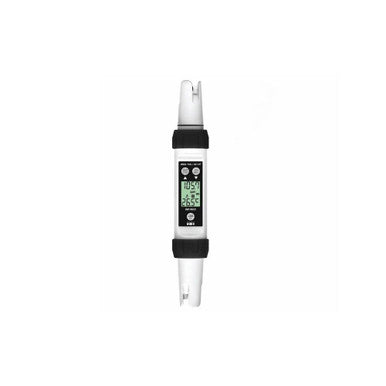 HM Digital
HM COM-360 pH/EC/TDS/Temp Meter - Waterproof Professional Water Quality Tester
SKU: HM-COM-360Rs. 12,685.00 Incl. GST -
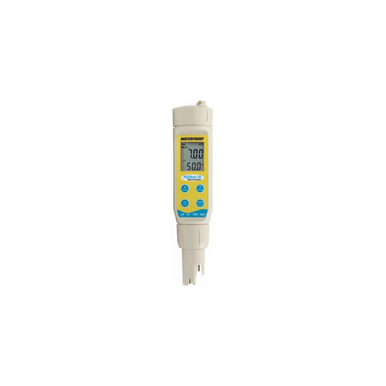 Eutech
 PCSTestr 35 Multi-Parameter Tester | pH, Conductivity, TDS, Salinity, Temp
SKU: EUT-PCS-TESTR-35Rs. 34,102.00 Incl. GST -
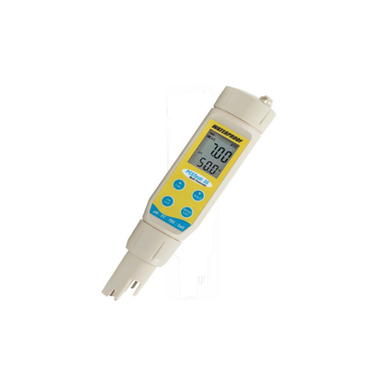 Eutech
 PCTestr 35: Versatile Multi-Parameter Pocket Tester
SKU: EUT-PC-TESTR-35Rs. 25,842.00 Incl. GST -
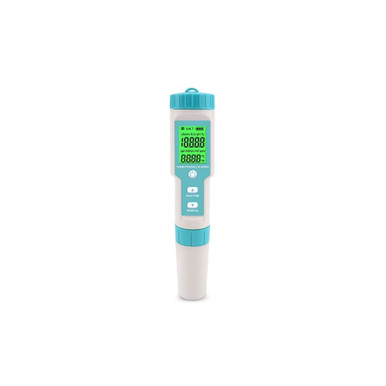
-
-
 Aceteq
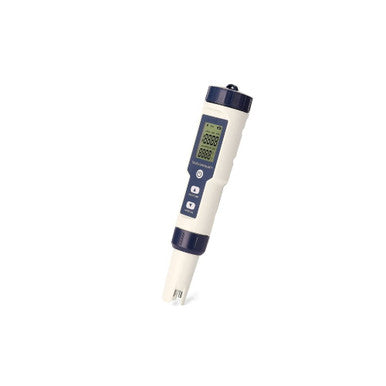
ACETEQ 4-in-1 Digital Water Quality Tester: pH, EC, TDS & Temperature Meter
Rs. 4,425.00 Incl. GST -
Choosing a pocket water quality tester
Start with the result you need to record
For an RO outlet check, conductivity or TDS may be the main number you record. For a nutrient tank, you may need pH and EC from the same sample. For saline water, confirm that the instrument supports the required salinity units and range. If your form calls for a temperature value, check whether it is displayed and can be recorded alongside the measurement. A multiparameter tester is useful when it reduces the number of instruments carried on a round. A dedicated tester may be simpler if you record only one parameter.
Match the conductivity range to the sample
Look at the normal and highest expected readings, including upstream samples if you intend to use the same tester at both locations. Check the display units before comparing specs: 1 mS/cm equals 1,000 µS/cm. A high range tester may suit a concentrated solution while offering too little resolution for small changes in treated water. Compare resolution and accuracy separately. For example, Hanna supplies different conductivity ranges and specifies different calibration standards for its HI98129 and HI98130 testers. Check the exact model code before buying the tester or ordering standards.
Understand what the TDS and salinity modes report
On a conductivity based tester, the TDS display estimates dissolved solids from EC using a conversion factor. That factor affects whether two instruments report the same ppm value from the same sample. If operators compare readings across shifts or sites, document the selected factor or check whether it is fixed. A salinity mode also depends on the meter's supported scale and calculation. Ask for the model's measurement method and units if a customer specification or SOP requires a particular result.
Check calibration and sensor replacement before ordering
Confirm the pH buffer group and the conductivity standard required for the model. A combination tester can need separate checks for pH and EC even though the measurements appear on the same display. Check whether the pH electrode is replaceable, how the sensor should be stored, and whether the replacement is sold separately. If the tester is used daily, order enough fresh standards for the planned calibration schedule. Verify the actual kit contents if you need a storage solution, spare batteries or a carrying case for field use.
Plan a repeatable field check
Collect a representative sample in a clean cup. Rinse between samples, immerse the sensing area as directed, and wait for the reading to stabilise before recording it. Log the sample location, unit and temperature when these matter to the comparison. For example, record the RO inlet and outlet as separate points rather than saving both as an unlabelled ppm value. If a result falls near a process limit, repeat the test under the written procedure and use the required reference method if the decision calls for one.
When to choose a larger instrument
Move to a handheld or benchtop meter when the sample needs a specialised probe, you need more resolution at the low end, or you must document calibration and results electronically. For a quotation, share your expected sample range, the required parameters and units, and whether replaceable sensors or records are needed. If you are replacing a tester, include its full model number and the standards already used by your team.
Related collections: Conductivity & TDS Meters · Multiparameter Meters
Request a quote and share your application, required specifications and quantity.