
Compare precision and analytical balances for laboratory, research and QC weighing. Start with the smallest sample you need to weigh, the heaviest loaded container and the tolerance stated in your procedure.
-
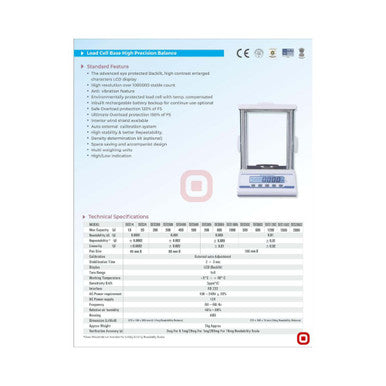 Saffron
 High Precision Balance SES202S (200g x 0.01g)
SKU: SAF-BAL-SES200SRs. 6,785.00 Incl. GST -
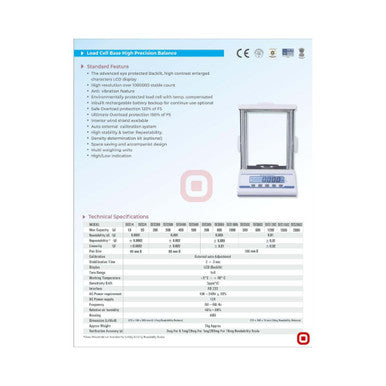 Saffron
 SES200 Precision Balance | 200g Capacity, 0.001g (1mg) Laboratory Scale
SKU: SAF-BAL-SES200Rs. 14,750.00 Incl. GST -
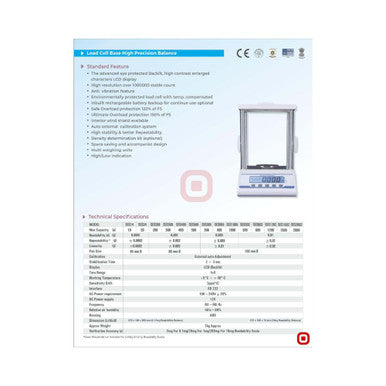
-
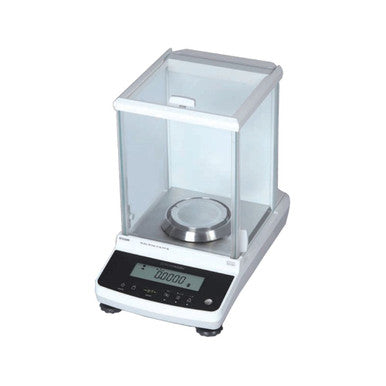
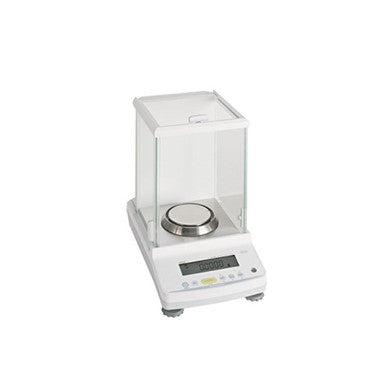 Shimadzu
 ATY224R Analytical Balance – 220g Capacity
SKU: BAL-ATY-224RRs. 153,400.00 Incl. GST -
-
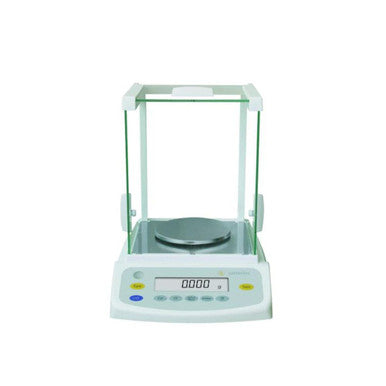 Sartorius
 BSA223S-CW Precision Balance: German Engineering for Laboratory Excellence
SKU: SAR-BAL-BSA-223S-CWRs. 116,820.00 Incl. GST -
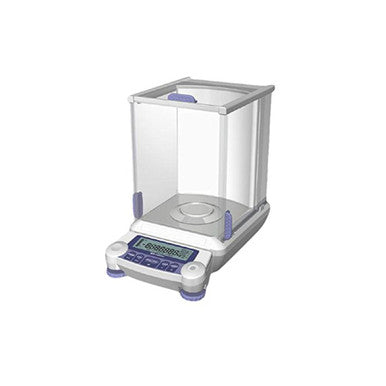 Shimadzu
 Model AUW220D Semi Micro Internal Calibration Analytical Balance
SKU: BAL-AUW-220DRs. 306,800.00 Incl. GST -
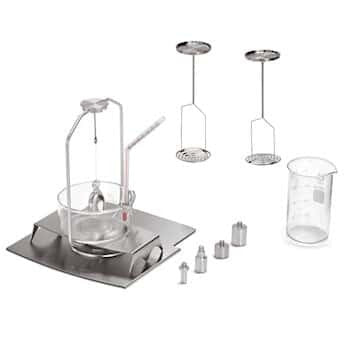
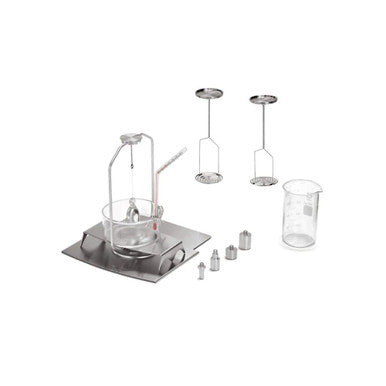 Sartorius
 YDK03 Density Determination Kit for Lab Balances (0.1 mg / 1 mg)
Rs. 0.00 Incl. GST -
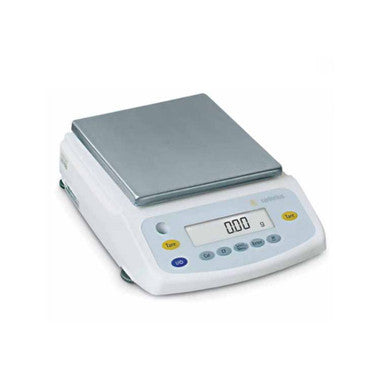 Sartorius
 BSA3202S-CW Precision Balance - 3200g Capacity, 0.01g Readability
SKU: SAR-BAL-BSA-3202S-CWRs. 126,850.00 Incl. GST -
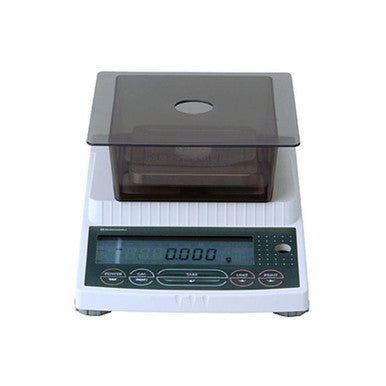 Shimadzu
 Model BL220H High-Precision Electronic Balance
SKU: BAL-BL-220HRs. 79,060.00 Incl. GST -
-
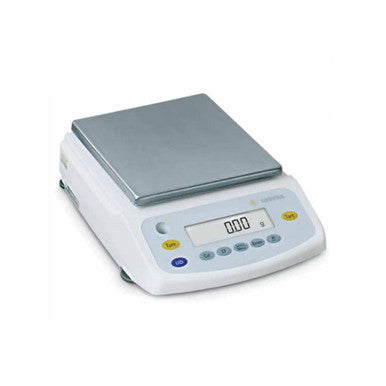 Sartorius
 BSA6202S-CW Electronic Precision Balance
SKU: SAR-BAL-BSA-6202SRs. 188,800.00 Incl. GST -
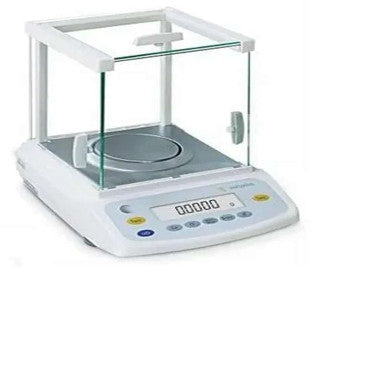 Sartorius
 BSA224S-CW Analytical Balance with Motorized Calibration
SKU: SAR-BAL-BSA224SCWRs. 155,760.00 Incl. GST -
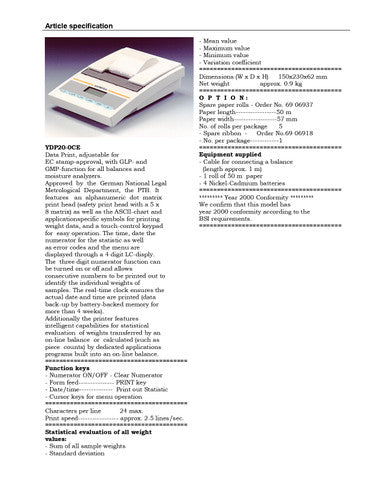 Sartorius
Data Printer for Laboratory Balances Sartorius YDP20-0CE GLP/GMP
SKU: SARYDP200CERs. 100,300.00 Incl. GST
Choosing a laboratory balance
Start with the sample and the container
List the lightest net sample, the heaviest sample and the containers or fixtures you plan to put on the pan. Capacity must accommodate the loaded vessel. Using tare clears its displayed weight but does not remove the load from the balance. Also check the pan dimensions and the space inside the draft shield if you use tall vessels. A balance that fits a small weigh boat may be awkward for a flask. If one bench handles small reference standards and larger batches, compare both workflows before deciding whether one instrument can handle them.
Readability and repeatability answer different questions
Readability is the smallest increment on the display. Repeatability describes how closely repeated weighings agree under stated conditions. A balance that displays 0.1 mg may not be suitable for weighing a 0.1 mg sample to your tolerance. Start with the smallest net mass you need to weigh and the uncertainty or allowable error for the method. Ask how the lab will establish the usable minimum sample weight for its conditions. Check the published repeatability and linearity, and consult your lab’s method or quality team for the acceptance criteria. This is particularly useful when comparing quotations with the same displayed readability.
Choose between a precision and an analytical balance
A precision balance can be a practical fit for routine weighing where capacity, pan size and fast handling matter. An analytical balance is used for applications that need finer readings and typically has a draft shield to limit air movement around the pan. Choose from the measurement requirement rather than the category label. The workbench, nearby fans, vibration and the time allowed for the reading to settle can all influence day to day use. Share the proposed installation location and sample handling steps if the balance is for a new station or a location with frequent operator traffic.
Check adjustment, records and accessories
Compare models with internal adjustment and models that require external weights. Ask which functions the instrument provides and which checks your lab will perform using suitable reference weights. If you need a calibration certificate, specify what it must cover and ask that it be listed separately in the quote. For electronic records, confirm the available port, export format and whether a cable, printer or software is included. Ask about the pan, draft shield, power supply and any special fittings you will need. The quotation should identify what the manufacturer supplies and any items needed to complete your setup.
What to send for a laboratory balance quote
Share the smallest sample mass, maximum gross load, required readability, tolerance, typical container size and any calibration or recordkeeping needs. If replacing an existing balance, include the make, model and the reason for replacement, such as insufficient capacity, an awkward pan or inconsistent readings. Ask for the exact variant and the accessories listed against it. This makes side by side comparisons useful when the models have similar names or specifications.
Request a quote and share your application, required specifications and quantity.