
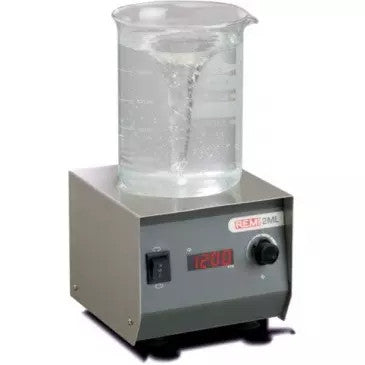
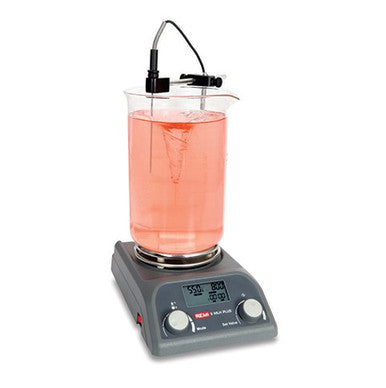
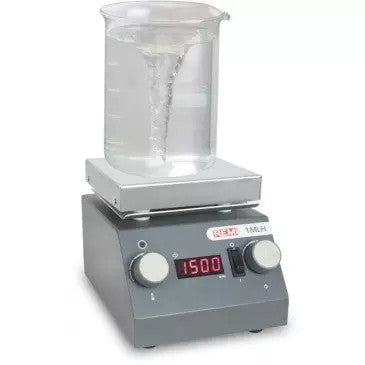
Compare magnetic stirrers for routine solution preparation and hotplate stirrers for workflows that also need heating. Choose around your vessel, liquid volume and temperature control needs. Check whether the model includes the stir bar, temperature probe or support stand your method requires.
-
 Electronics India
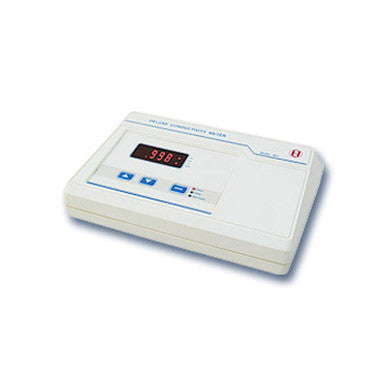
Digital Automatic pH Meter with Built-in Magnetic Stirrer 611 Adv+
SKU: EI-MAG-611Rs. 25,370.00 Incl. GST -
-
-
-
-
-
-
-
-
-
 Remi
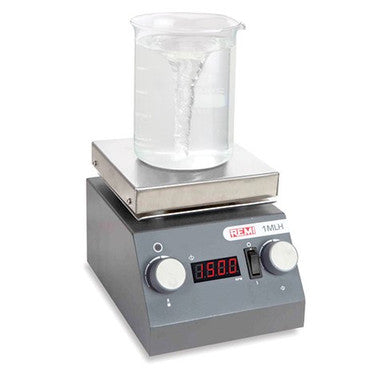
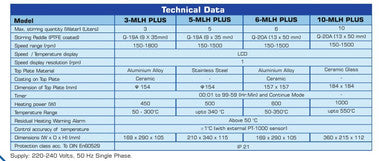
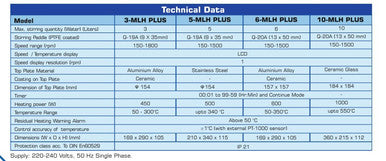
6 and 10 MLH PLUS Magnetic Stirrer with CERAMIC Hot Plate (TEMP 300°C) LCD dis. of speed & temp (with out probe & stand)
SKU: 6MLHRs. 38,350.00 Incl. GST -
 Remi
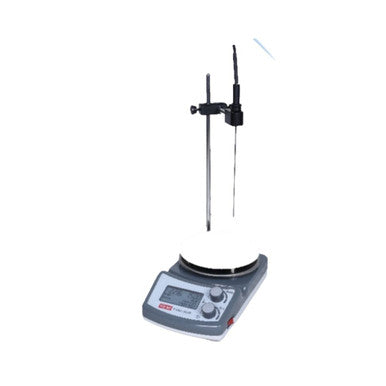
REMI 3MLH Plus Digital Magnetic Hot Plate Stirrer (3L, 1800 RPM, 300°C)
SKU: REMI-MAG-3 MLH PLUSRs. 27,140.00 Incl. GST -
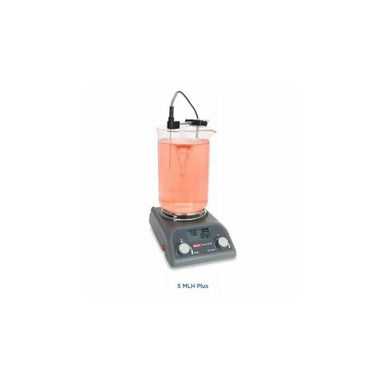 Remi
Remi 5MLH Plus Digital Magnetic Stirrer (5L) with Stainless Steel Hot Plate and Pt-1000 Probe
SKU: REMI-MAG-5 MLH PLUSRs. 36,580.00 Incl. GST -
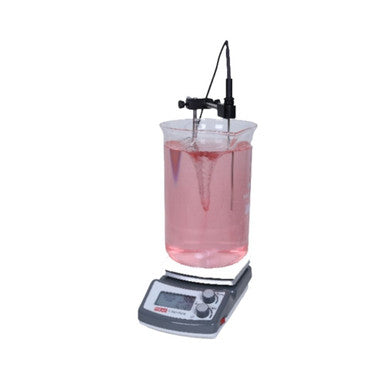 Remi
REMI 6MLH PLUS Magnetic Stirrer: 6L Capacity, Ceramic Hot Plate, 350°C Digital Lab Stirrer
SKU: REMI-MAG-6 MLH PLUSRs. 38,350.00 Incl. GST -
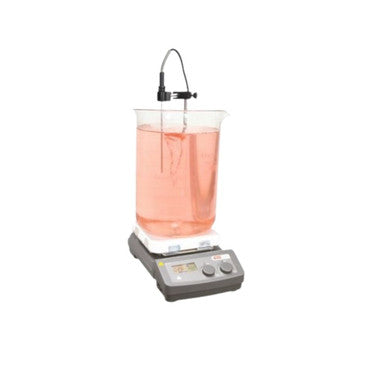 Remi
REMI 10MLH Plus Magnetic Stirrer Hot Plate (10L, 550°C, Ceramic)
SKU: REMI-MAG-10 MLH PLUSRs. 73,160.00 Incl. GST -
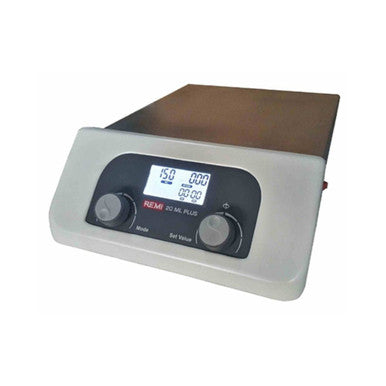 Remi
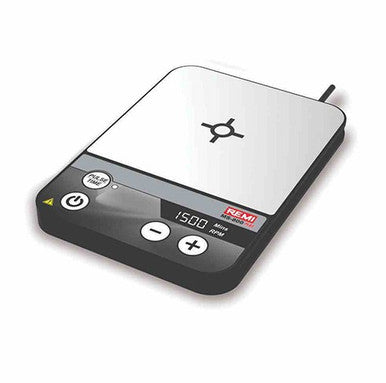
REMI 20ML PLUS Magnetic Stirrer | 20L Capacity | 1500 RPM
SKU: REMI-MAG-20 ML PLUSRs. 43,660.00 Incl. GST
Choosing a laboratory magnetic stirrer
Start with the sample and vessel
A magnetic stirrer rotates a bar inside the vessel without a shaft passing through the top. This is useful for routine mixing of aqueous buffers, reagents and other low viscosity liquids in beakers or flasks. Start with the vessel you use most often. Note its base shape, diameter and working fill volume. A flat bottom beaker and a round bottom flask can behave differently with the same bar. Check that the vessel sits stably on the plate and that the bar you plan to use stays coupled at the normal speed.
Choose stir-only or stirring with heat
A stir-only model can suit room temperature mixing and routine reagent preparation. A hotplate stirrer is useful when the method needs heating during dissolution or sample preparation. Confirm the plate material and dimensions against the vessels you use. If the procedure specifies a liquid temperature, verify whether the unit accepts an external probe and can control to a sample setpoint. A hotplate surface reading and a liquid reading represent different locations. Confirm whether the temperature probe and its holder are supplied with the exact model.
Treat the stated stirring capacity as a starting point
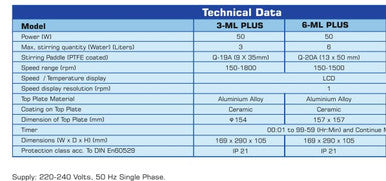
Compare the stated capacity against the manufacturer’s test conditions and your actual liquid. A unit rated for a particular volume of water may need a smaller working volume when the mixture is thicker. Base shape, liquid depth and stir bar dimensions can also affect coupling. When a bar repeatedly jumps or stops following the drive, check vessel centring and reduce speed before changing the bar or stirrer. For thick liquids or processes that need controlled circulation through a deep vessel, compare an overhead stirrer suited to the load.
Match the stir bar to the container
Check the bar length, shape and coating for the vessel and sample. A small vessel needs enough clearance for the bar to turn freely. A larger vessel may need a different bar to circulate liquid across its base. Increase speed gradually and stop at the mixing action your method needs. A deep vortex can pull air into the sample, which may be undesirable for measurements or formulations sensitive to bubbles. For repeated work, record the vessel, bar and speed together so another operator can reproduce the setup.
Check the controls your team will use
For routine checks, simple speed control may be enough. If several operators share a written method, a digital setpoint can make the setup easier to reproduce. For heated work, compare the temperature control mode, probe connection and the features your lab requires, such as a residual heat indication. Check how the instrument displays speed and temperature before selecting it for a process record. If you need an accessory later, verify the probe type and stand fit against the specific model.
What to include in a quotation request
Share the maximum working volume, liquid type, vessel dimensions and whether heating is needed. If it is, include the required sample temperature and whether you need external probe control. State how many stations you use at once. If you are matching an existing setup, include the model and stir bar size. Ask for the instrument and any required probe, stand and bars to be listed separately.
Related collections: Mechanical Stirrers
Request a quote and share your application, required specifications and quantity.