
Compare laboratory centrifuges for routine sample separation and research workflows. Choose the centrifuge and rotor together using the tube format, number of samples per run and force specified in your method.
-
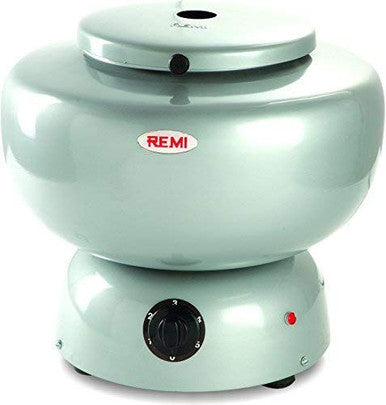 Remi
REMI C-852 Clinical Centrifuge Bucket 4 Capacity 15ml RPM 3500 NO Display
SKU: REM-CEN-C-852Rs. 9,086.00 Incl. GST -
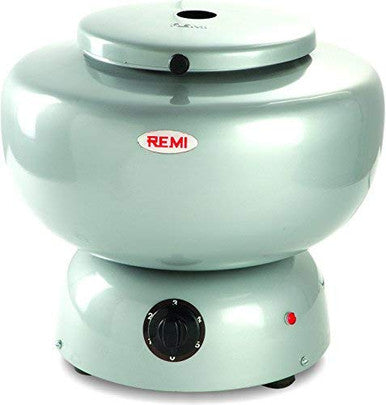 Remi
Remi Clinical centrifuge C-854/4 (Bucket 4 Capacity 15ml RPM 3500 NO Display)
Rs. 10,620.00 Incl. GST -
 Remi
Remi C-854/6 Laboratory Centrifuge with 6x15 ml Swing Out Head
SKU: REM-CEN-C-854/6Rs. 11,446.00 Incl. GST -
 Remi
Remi C-854/8 Laboratory Centrifuge with 8x15 ml Swing Out Head
SKU: REM-CEN-C-854/8Rs. 14,632.00 Incl. GST -
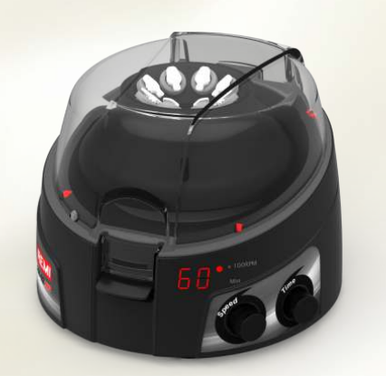 Remi
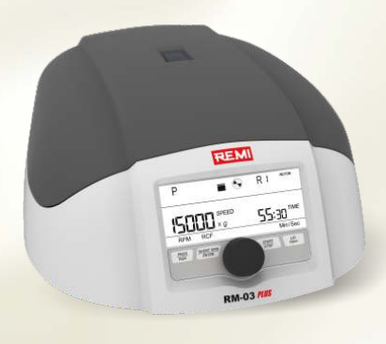
Mini Centrifuge RM 02 Plus | 6000 RPM with Digital Display
SKU: REMIRM02PRs. 13,570.00 Incl. GST -
-
-
 Remi
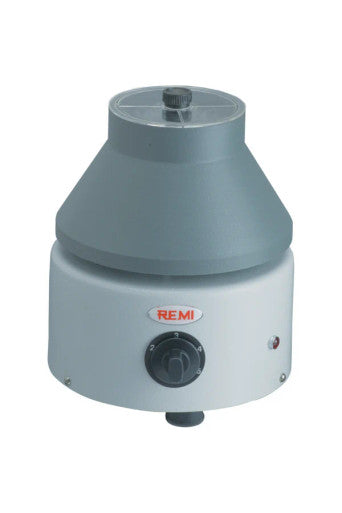
Remi Laboratory Centrifuge R-303 with 8x15 ml Angle Rotor Head, R-303
SKU: REM-CEN-R-303Rs. 11,800.00 Incl. GST -
-
 Remi
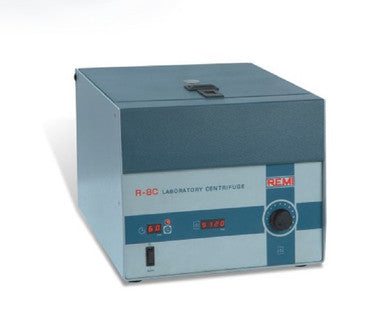
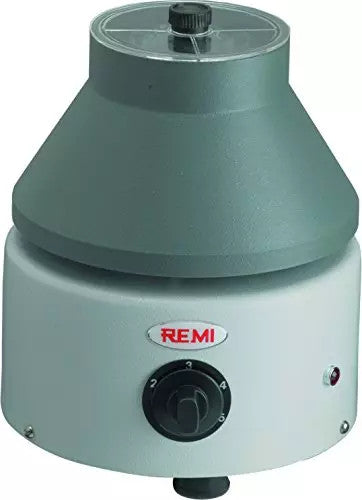
R-304 Doctors Centrifuge Bucket 24 Capacity 5ml RPM 3500 NO Display
SKU: REM-CEN-R304Rs. 16,284.00 Incl. GST -
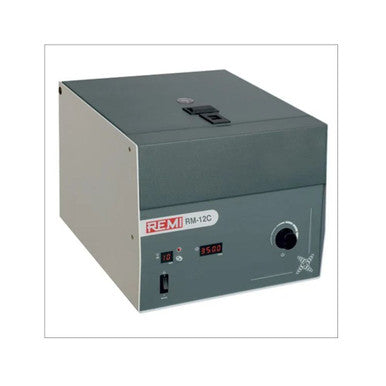
-
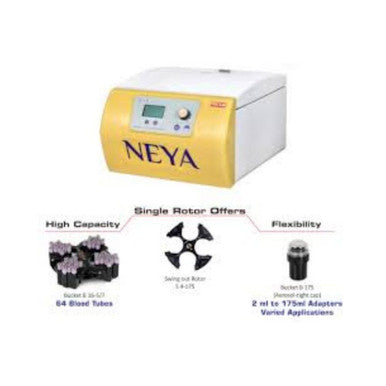
-
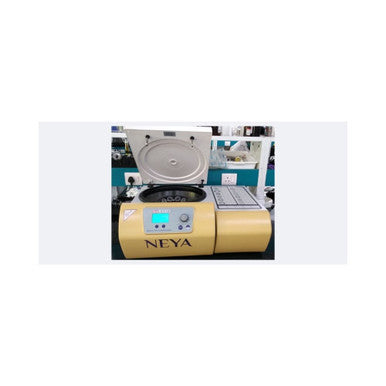 Remi
REMI NEYA 16R Refrigerated Bench Top Centrifuge | 16000 RPM High Speed Lab Centrifuge
SKU: REM-CEN-NEYA16RRs. 277,300.00 Incl. GST


Choosing a laboratory centrifuge and rotor
Use RCF and tube size to shortlist the centrifuge
Start with the tube type, number of tubes per run, required relative centrifugal force (RCF) and run time. RCF depends on speed and the radius of the rotor. Two rotors can therefore deliver different forces at the same RPM. If your method specifies a value in ×g, check that the proposed rotor can achieve it with your tubes. If an existing protocol only gives RPM, record the rotor model so the working force can be determined before selecting a replacement. Ask whether the display can show or set RCF directly if several people will use the same method.
Match the rotor and adapters to the sample vessel
Confirm whether your method calls for a fixed-angle or swing-out rotor. A fixed-angle rotor holds the tube at an angle during the run. A swing-out rotor lets the buckets move outward and can suit methods that specify that orientation. Give the actual tube dimensions, material and bottom shape as well as its nominal volume. A tube labelled 15 mL may still need a particular bucket or adapter. Check the speed and force limits for the rotor, adapter and tube as an assembled system, and follow the manufacturer's operating instructions for the selected configuration.
Decide what the routine workload looks like
For a routine bench, count the samples in a normal batch and the largest batch you expect on a busy day. A smaller rotor may be fine for occasional tests, while repeated batches can justify more positions or a different tube format. For small research volumes, check compatibility with the specific microtubes or strips in use. If a method requires temperature control, specify the run temperature and rotor configuration when requesting a quote. Confirm that the instrument can meet the requirements at the speed and run time you plan to use. Check the available bench space and lid clearance as well.
Compare the supplied configuration and controls
A centrifuge listing may describe the instrument body, a kit with a rotor or a model with several rotor options. Ask the quote to state the rotor part number, capacity, buckets and adapters individually. If the method specifies acceleration or braking, compare the available settings and how they are selected. Check the operating manual for lid locking, imbalance handling, sample loading and maintenance. Where your lab specifies containment features, confirm the exact accessory and supporting documentation. A complete configuration is easier to compare and helps operators get started with the tubes they already use.
What to include in a centrifuge enquiry
Send the application, tube type and dimensions, samples per run, required RCF or RPM with rotor details, run time and any temperature requirement. Mention the rotor style if your SOP specifies it. If you need a replacement rotor or bucket, share the centrifuge model and the part number or a photo of the label. This helps match the quote to a working configuration and avoids confusing the centrifuge body’s maximum speed with the rating of the supplied rotor.
Request a quote and share your application, required specifications and quantity.