
Compare digital food thermometers for spot checks, cooking, confectionery and production use. Choose the probe style and temperature range based on where you need the reading and how it will be recorded.
-
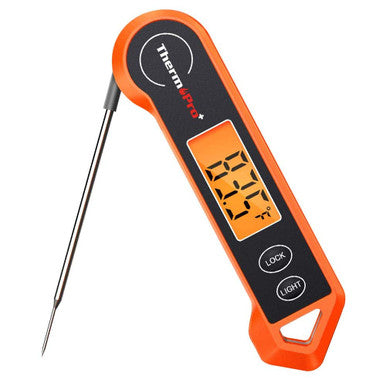
-
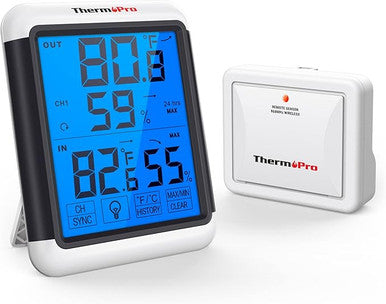 ThermoPro
Thermopro TP65C Instant Read Thermocouple Kitchen Thermometer
SKU: TP-TM-65CRs. 3,186.00 Incl. GST -
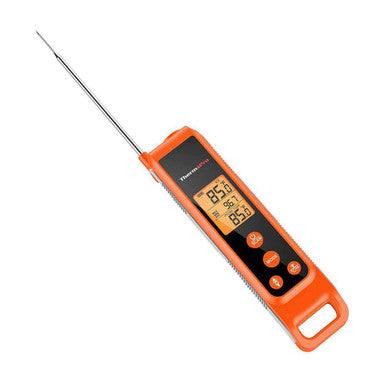 ThermoPro
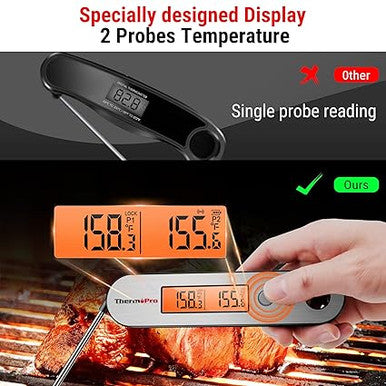
 TP420 2in1 Digital Infrared and Probe Food Thermometer
SKU: TP-TM-420Rs. 3,422.00 Incl. GST -
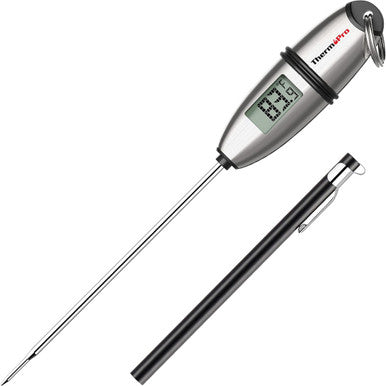
-
-
 ThermoPro
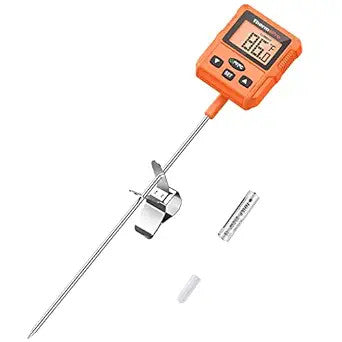
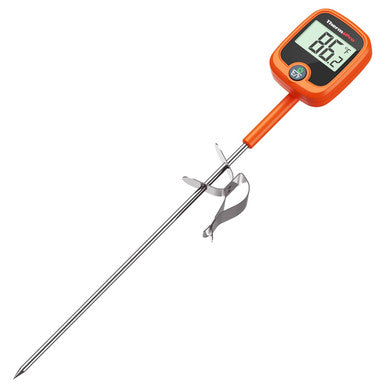
 TP511 Digital Candy Thermometer with Pot Clip
SKU: TP-TM-511Rs. 2,183.00 Incl. GST -
 ThermoPro
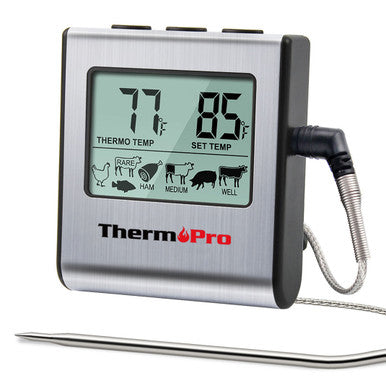
 TP16 Digital Food Meat Thermometer with Large LCD
SKU: TP-TM-16Rs. 1,711.00 Incl. GST -
 ThermoPro
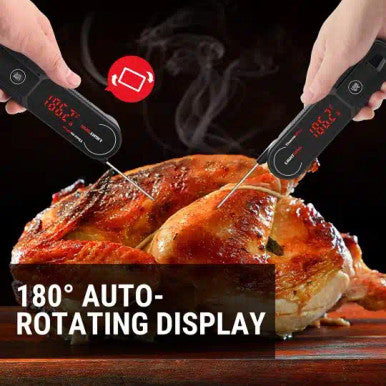
 TP622 Lightning 1-Second Instant Read Meat Thermometer
SKU: TP-TM-622Rs. 3,658.00 Incl. GST -

-
-
-
 ThermoPro
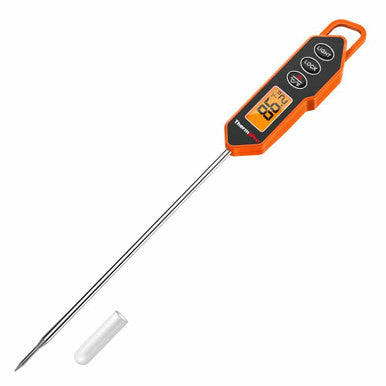
 TP01H Digital Meat Thermometer with Long Probe
SKU: TP-TM-01HRs. 944.00 Incl. GST -
 ThermoPro
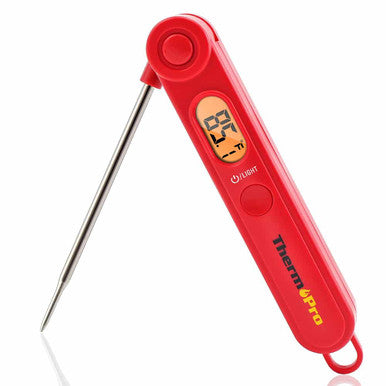
 TP03B Digital Instant Read Meat Thermometer Food Candy Cooking Kitchen and Backlight for Oil Deep Fry Smoker Grill BBQ
SKU: TP-TM-03BRs. 1,357.00 Incl. GST -
-
-
 ThermoPro
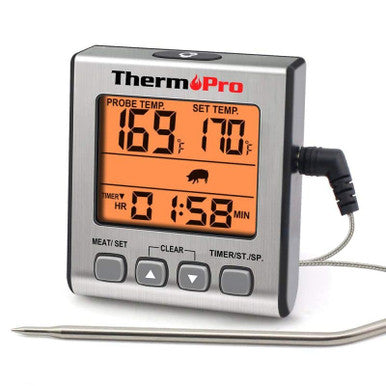
 TP16S Digital Meat Thermometer with Smart Cooking Timer & Backlight
SKU: TP-TM-16SRs. 1,888.00 Incl. GST -
 ThermoPro
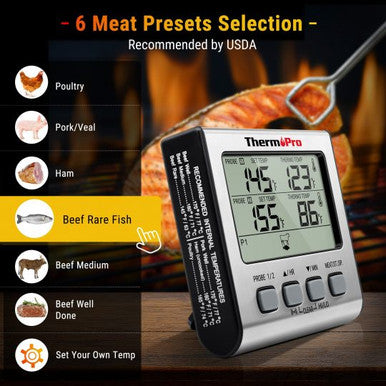
 TP-17 Dual Probe Digital Meat Cooking Thermometer
SKU: TP-TM-17Rs. 2,000.00 Incl. GST -
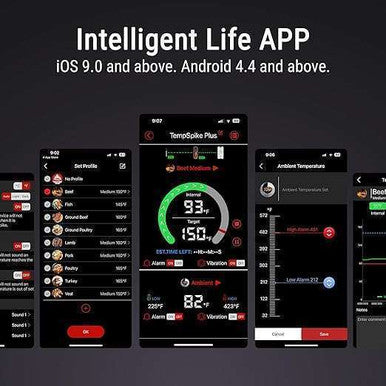 ThermoPro
 TP971 Wireless Meat Thermometer for Grilling and Smoking
SKU: TP-TM-971Rs. 8,949.00 Incl. GST
Choosing a food thermometer for the job
Decide whether you need the centre or the surface temperature
An insertion probe measures temperature where its sensing area is positioned inside the food. A non-contact infrared thermometer reads the surface within its measurement spot. That difference matters when you need to know what is happening at the centre of a product. If a line operator checks both packaging surfaces and cooked product, decide which results are needed and how each will be taken. Some products combine a probe and an infrared mode. Compare the range and stated accuracy for the specific mode you will use, because they can differ within the same device.
Choose a probe for spot checks or for monitoring over time
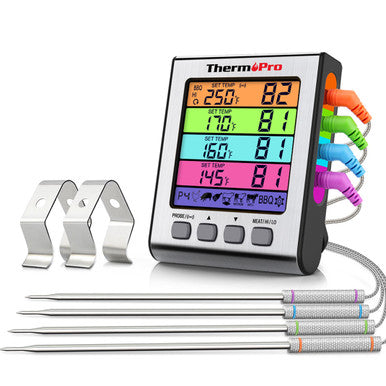
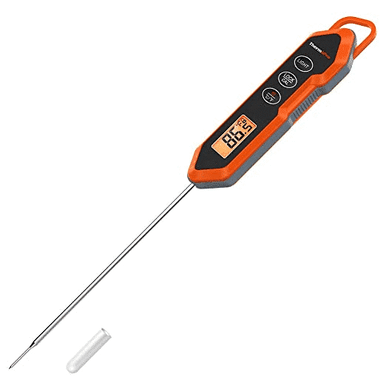
An instant-read probe is practical when staff move from batch to batch and take brief checks. Look for a tip and insertion depth that suit the thickness of the product. A leave-in probe is useful when you want to monitor temperature during cooking, but the probe and cable must be rated for those conditions. For a liquid or confectionery batch, a clip-on probe may help maintain a consistent position. Check the probe length and mounting arrangement for the vessel. A display that reads quickly is valuable only if the measurement position and timing are consistent across operators.
Compare accuracy around the temperatures you use
List the measurement points in your process, such as receiving, cold storage, cooking, cooling or a sugar syrup stage. Then check the meter’s stated accuracy and response time around those points. A wide range can be useful across several jobs, but it does not tell you the error near your decision limit. If your method specifies a tolerance or verification routine, make that requirement part of the enquiry. Check whether the model supports an adjustment or if your team records any observed error as part of its instrument checks. Ask what documentation is available for the specific model and configuration.
Check cleaning, handling and recordkeeping
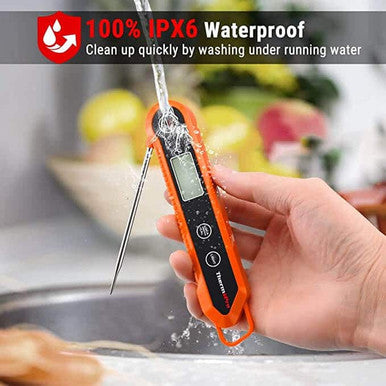
Tell us how often the instrument will be cleaned and what conditions it will face on the line. Check the manufacturer’s instructions for the probe, body and any cable. If it will be used between different samples, follow your site's cleaning procedure and choose a design that can be handled consistently. For production logs, decide whether the operator will write down a spot reading or whether you need a model that stores or exports data. Check display orientation, readability and alarm options for your station. These practical details matter when several operators share one device across shifts.
Send the application with your quote request
Share the food or material, typical thickness or vessel depth, expected temperature range, required accuracy and whether you need a spot check or continuous monitoring. Mention the cleaning routine and any calibration documentation needed for your quality process. If replacing an existing probe, include the make, model and connector or a photo of the label. For a comparable quote, ask for the exact model, what comes in the box and whether a clip, cable or spare probe needs to be ordered separately.
Request a quote and share your application, required specifications and quantity.