
Compare ORP meters and redox testers for water treatment, field checks and laboratory measurements. The collection also includes replacement ORP electrodes. Check whether the listing is a complete meter or a probe, and match the sensor and verification solution to your method before ordering.
-
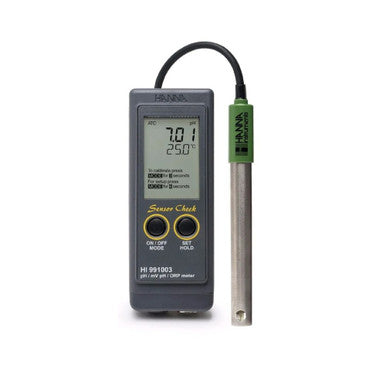 Hanna Instruments
Hanna HI991003P Portable Waterproof pH/ORP/Temperature Meter
SKU: HAN-MTP-991003PRs. 0.00 Incl. GST -
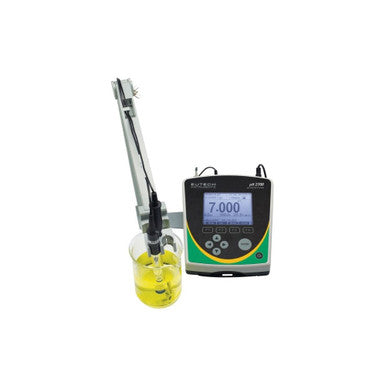 Eutech
 pH 2700 Benchtop pH/ORP/Temperature Meter - High Accuracy Lab Solution
SKU: EUT-PH-2700Rs. 107,970.00 Incl. GST -
-
-
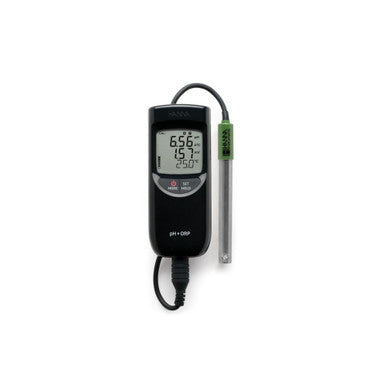 Hanna Instruments
Hanna HI991003 Waterproof Portable pH/mV/ORP/Temperature Meter
SKU: HAN-HI991003Rs. 73,750.00 Incl. GST -
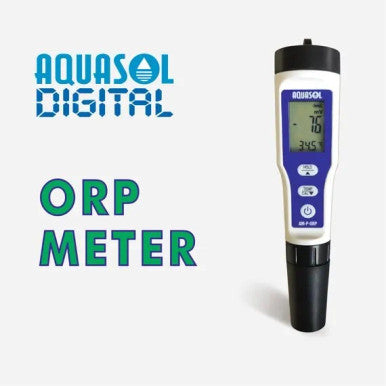 Aquasol
ORP Meter Aquasol AMPORP Range -1000 to +1000 mv MRP -RATE
SKU: AQU-ORP-AMPORPRs. 5,900.00 Incl. GST -
-
-
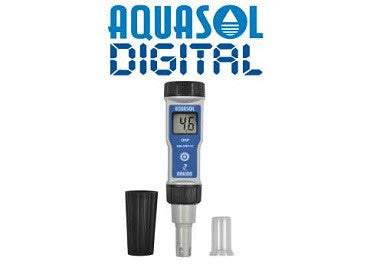 Aquasol
ORP Meter Aquasol AM ORP 01 Range -1999 to +1999 mv
SKU: AQU-ORP-AMORP01Rs. 10,561.00 Incl. GST -
How to choose an ORP meter
Decide what the reading will tell you
Oxidation-reduction potential, also called redox potential, is reported in millivolts (mV). An ORP electrode responds to the redox conditions at its sensing surface. You can use the result to track a change in a treatment process, compare repeated readings at a sampling point, or investigate a change after chemical dosing. The number can shift with pH, temperature and water chemistry. Define the sample, the purpose of the reading and what action an out-of-range value will trigger before choosing the instrument.
Pocket tester, portable meter or benchtop system?
Choose a pocket ORP tester when operators need quick spot readings at several points and can check and clean the sensor between rounds. A handheld meter with a separate probe may be easier to position in a deeper vessel or in a sheltered sampling station. For repeated work at a fixed bench, check for a probe holder, access to raw mV readings and any records your procedure requires. If you need pH alongside ORP, confirm whether the quoted kit includes an ORP-capable combination probe or requires a separate electrode.
Check the electrode and reference system
Start with the full meter and electrode model codes. A meter can have a millivolt mode and still be supplied only with a pH electrode. Check the connector, reference system, probe material and whether the sensor is intended for the sample. When comparing readings across instruments, confirm that the reference systems and reporting conventions match. A difference in reference potential can change the reported number even when the sample is the same. For a permanent installation, specify mounting, process conditions and transmitter compatibility separately.
Verify the sensor before trusting a trend
Use an ORP reference solution supported by the manufacturer or your procedure. Check the expected millivolt value for the reference system and temperature, and record the result and acceptance limit. Some meters allow an offset adjustment; others use the reference solution as a check. Follow the instrument instructions before changing settings. If the reading is slow or the check fails, inspect the sensing surface and junction, follow the recommended cleaning procedure, and repeat the check with a fresh portion of reference solution.
Does an ORP meter measure free chlorine?
ORP is useful for trending redox conditions, but it does not directly report free chlorine in mg/L. Different waters can give different ORP readings at the same chlorine concentration because pH and other chemistry affect the response. If the required result is free or total chlorine, use a chlorine method that reports the required parameter. When a process uses both, record pH, ORP and the chlorine result together under consistent sampling conditions so operators can interpret changes.
What to include in a quotation request
Share the application, expected mV range if known, sample pH and temperature, and whether you need spot checks or a fixed installation. For a replacement, send the meter model, current electrode code and a photo of the connector if the label is hard to read. If the instrument will support an SOP, include the specified reference solution, acceptable verification deviation and any documentation requirements. This helps distinguish the meter, the compatible probe and the consumables needed for use.
Related collections: Chlorine Meters · pH Meters
Request a quote and share your application, required specifications and quantity.