
Compare multiparameter water quality meters for lab work, plant rounds and field sampling. Use your required parameter list to shortlist the meter and verify which sensors are included in the specific kit.
-
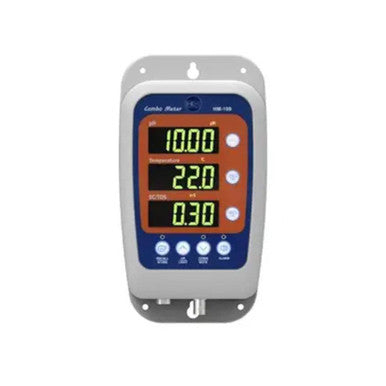 HM Digital
 HM-100 Continuous pH/EC/TDS/Temp Monitor
SKU: HM-MTP-HM-100Rs. 23,010.00 Incl. GST -
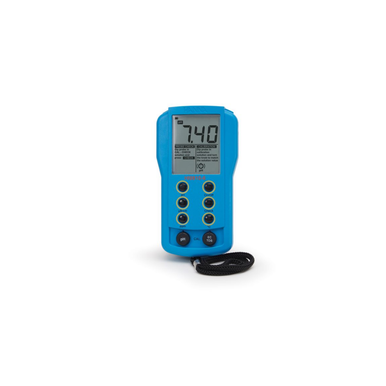 Hanna Instruments
HANNA HI9810-61 Portable pH/EC/TDS/Temperature Meter for Water Quality
SKU: HAN-HI9810-61Rs. 30,680.00 Incl. GST -
-
-
-
 Electronics India
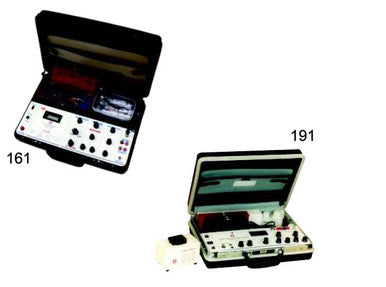
 Model 161 Digital Water & Soil Analysis Kit - pH, EC, TDS, DO, Salinity
SKU: EI-SOIL-161Rs. 47,082.00 Incl. GST -
-
 Electronics India
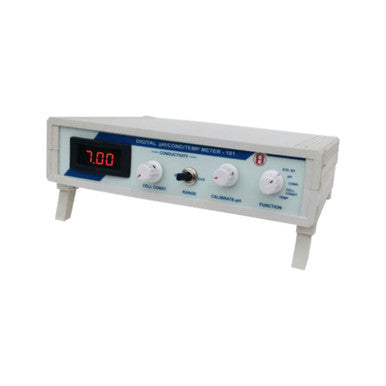
Digital 3-in-1 pH Conductivity Temperature Meter | Model 181 EI-DVI | Laboratory Benchtop Analyzer
SKU: EI-MTP-181Rs. 31,742.00 Incl. GST -
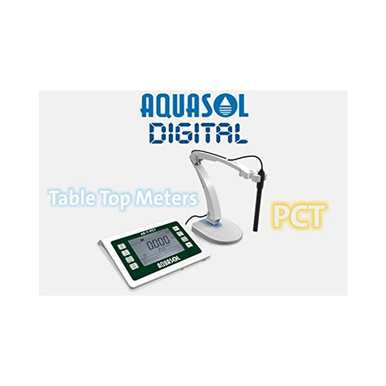 Aquasol
AQUASOL DIGITAL Multi-Parameter Table Top Meter – Model AB-T-PCT
SKU: AQU-AB-T-PCTRs. 49,560.00 Incl. GST -
 Eutech
 PC 450 Portable Multiparameter Meter Kit | pH, EC, TDS, Salinity, Temp
Rs. 132,750.00 Incl. GST -
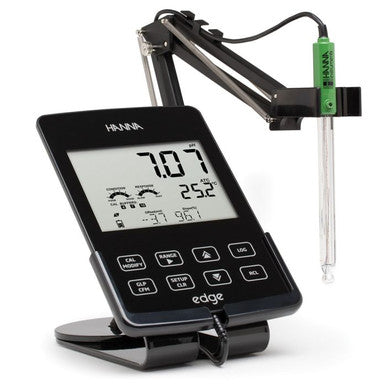 Hanna Instruments
HANNA HI2020-02 Multiparameter pH Meter, 230V
SKU: HAN-PH-HI2020-02Rs. 61,950.00 Incl. GST -
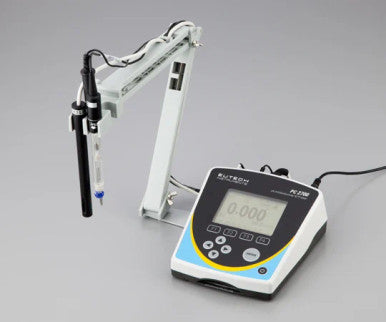 Eutech
MULTI PARAMETER ECPC270043S PH/Mv/Ion/Cond/TDS/Resist/Salinity with Cond cell/ph Glass Electrode Dual Display Memory 500 /RS232
SKU: EUT-MTP-ECPC270043SRs. 151,040.00 Incl. GST
Choosing a multiparameter water quality meter
Build a parameter list for each sampling point
Write down what you must measure and report. A treatment plant may need pH and conductivity at several points, while a pond or environmental survey may also need dissolved oxygen. Some meters estimate TDS or salinity from conductivity. Others can accept separate sensors for parameters such as dissolved oxygen, ORP or turbidity. A model described as multiparameter can still have a different sensor set from the one your work requires. If the same instrument will cover several jobs, make a checklist for each point and identify which measurements must be taken together.
Compare the meter and the sensor bundle separately
Check the exact kit or ordering code. Two kits can share the same meter body but include different probes, cable lengths or accessories. Confirm which sensors can be connected at once and which readings can be displayed or logged together. Where a sensor is optional, compare the complete configuration, including the cables and solutions needed to bring it into service. If an existing probe must be reused, provide its part number and check compatibility with the proposed meter. A familiar connector shape alone does not establish support for the sensor or its temperature compensation.
Match each parameter to its own range and method
Use the specification for each meter and sensor combination. The conductivity range and resolution you need for RO permeate may differ from the needs of a feed or process sample. For pH, consider the electrode and calibration buffers your procedure calls for. For dissolved oxygen in brackish water, check how salinity compensation is handled. If the meter calculates TDS, confirm the conversion factor and whether it can be changed. Compare accuracy near the reporting limit for each parameter. A single feature list cannot tell you how well the full kit fits every sample.
Choose a setup for bench work, field rounds or monitoring
A benchtop meter can suit a shared workstation with an electrode stand and several operators. For field sampling, check probe depth, cable length, battery life and how the instrument can be cleaned between sites. If readings need to be linked to a location or batch, check support for sample IDs, date and time, and data export. For continuous monitoring, identify the mounting point, cleaning access and any controller outputs required. Tell us if several probes must go into one small sample vessel or if they will be lowered into a tank together.
Check the supplies you will need after delivery
Ask which calibration solutions, storage solutions, replacement caps, membranes or other service parts apply to the supplied sensors. Confirm what comes in the box and what should be quoted separately. Send your parameter list, ranges, sample type, testing location, and any reporting or certificate requirement when requesting a quote. If you already use a particular brand or sensor, share the label so compatibility can be checked. This lets you compare the cost of a complete working setup and its routine consumables.
Request a quote and share your application, required specifications and quantity.