
Compare chemical oxygen demand (COD) meters, digesters and reagent vials for ETP, industrial wastewater and environmental laboratory work. Start with your test method and expected sample range so the reader, digestion block and consumables work together.
-
-
-
-
-
 Aquasol
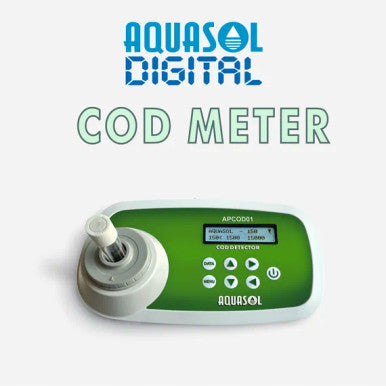
COD METER DIGITAL AQUASOL cat no- APCODO1 range 0-15000 ppm
SKU: AQU-APCOD01Rs. 97,055.00 Incl. GST
Choosing a COD testing setup for wastewater
Decide whether you need a complete system or replacement vials
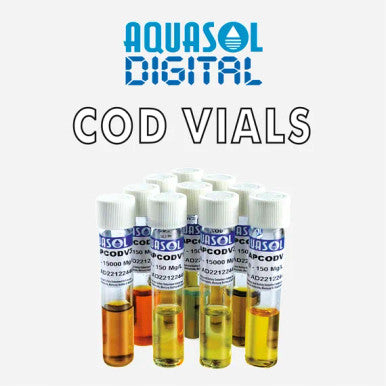
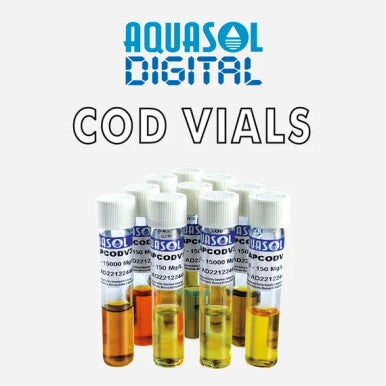
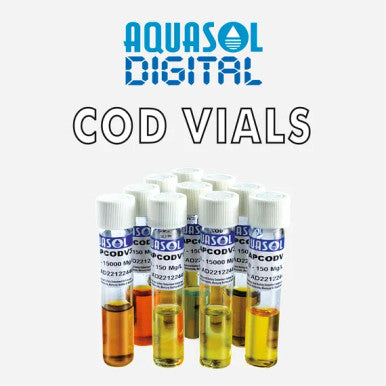
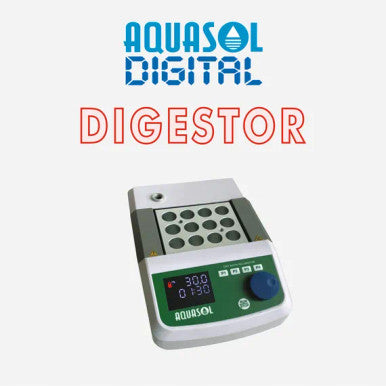
A sealed-vial photometric COD setup typically uses a digestion block to heat the sample in a reagent vial and a compatible reader to measure the reaction. A digester listing supplies the heating stage. Check the quotation for the reader, vial rack, reagent vials and pipettes you need to complete the test. If you already own a reader, start with its exact model and the methods it supports. For repeat purchases, match the vial product code as well as its concentration range.
Choose a range for the sample you actually test
Untreated influent and treated effluent can have very different COD concentrations. Review recent results from each sampling point before choosing vials. A range suitable for strong wastewater can provide too little detail around a low treated-effluent target. Compare the method’s working range with the result level where you need to make decisions. If your method permits dilution, check how the sample will be diluted and how the final result will be calculated. Keep the range and any dilution factor with the recorded reading.
Check whether the sample matrix needs special handling
Chloride can interfere with common dichromate COD methods. For saline effluent, brine or a stream with changing salt content, confirm the chloride tolerance for the exact vial and procedure. Your method may specify pretreatment, a particular reagent or a suitable dilution. Suspended matter can also make subsampling inconsistent. Follow the method for preparing the sample so results from different shifts represent the same process stream. If you need a report for a permit or customer specification, check the named method and reporting requirements before choosing a system.
Match the block, reader and vials
Check vial diameter, digestion temperature and timing against the method. Count the positions you need for routine samples, repeat measurements and quality control. A batch with eight samples may require extra positions for a blank or check standard. On the reader, verify the supported method, vial format and display units. Check whether the reagent supplier specifies any reader setting or procedure for that product code. Plan for a suitable cooling rack and handling tools as described by the instrument manufacturer.
Budget for routine testing
Estimate vial consumption from your sampling frequency, blanks, checks and repeats. Compare pack sizes with how quickly your lab can use them before expiry. For each lot, record the code and expiry alongside the instrument and method used if your SOP requires it. Follow the vial safety data sheet and your laboratory procedures for handling hot vials and collecting spent reagents. Many dichromate COD vials contain hazardous chemicals, so include reagent waste handling when planning the workflow.
What to send for a COD quotation
Share the sample source, expected COD at each sampling point, chloride level if known and the number of tests per week. Include the method required by your laboratory and the model of any reader or digester you already use. If you need vials only, send a photo of the current pack label or its exact product code. Ask for the reader, block and consumables to be listed separately when comparing complete systems.
Related collections: Jar Test Apparatus · Spectrophotometers
Request a quote and share your application, required specifications and quantity.