
Compare bench and portable turbidity meters for water testing. Shortlist instruments using the method and units your report requires, the expected sample range and the standards supplied with the meter.
-
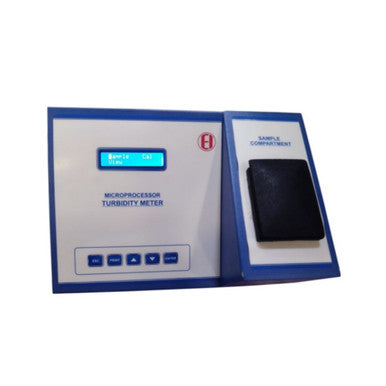 Electronics India
EI-DVI Lab Junction LJ-1335 Microprocessor Turbidity Meter 0-1000 NTU/JTU
SKU: EI-DVI-TUR-1335Rs. 55,342.00 Incl. GST -
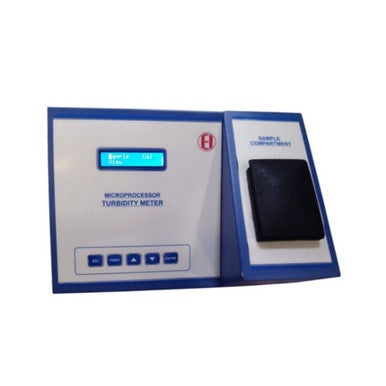 Electronics India
EI-DVI Model 1331 Microprocessor Digital Turbidity Meter 1000 NTU
SKU: EI-DVI-TUR-1331Rs. 45,430.00 Incl. GST -
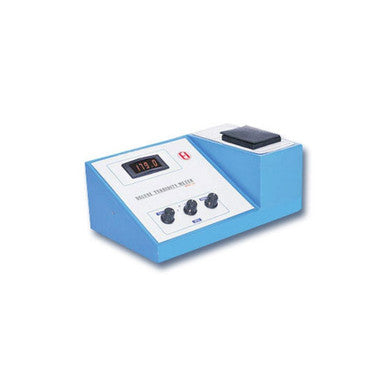 Electronics India
 EI 335 Digital Turbidity Meter 1000 NTU | Lab Water Quality Testing
SKU: EI-DVI-TUR-335Rs. 35,282.00 Incl. GST -
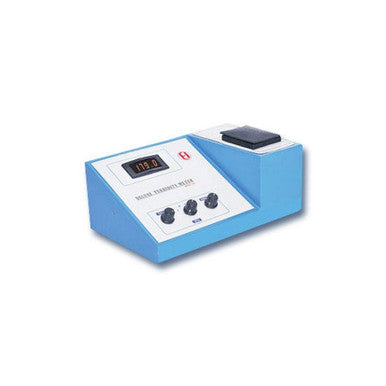 Electronics India
Digital Turbidity Meter Model 331 (EI-DVI) | Reliable Water Quality Testing up to 1000 NTU
SKU: EI-DVI-TUR-331Rs. 22,302.00 Incl. GST -
 Electronics India
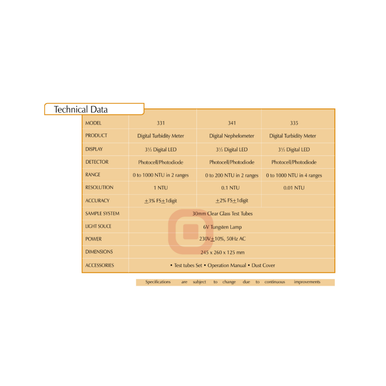
 Digital Nephelometer Model 341
SKU: EI-DVI-TUR-341Rs. 15,930.00 Incl. GST -
 Lutron
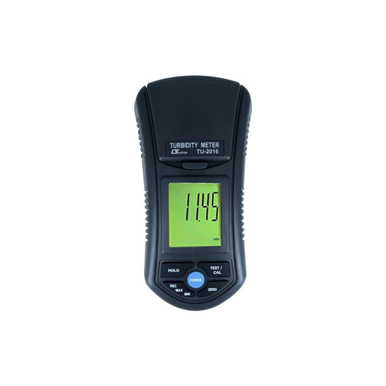
 TU-2016 Digital Turbidity Meter | ISO 7027 Compliant, Wide Range 1000 NTU
SKU: LUT-TU-2016Rs. 38,350.00 Incl. GST -
 Eutech
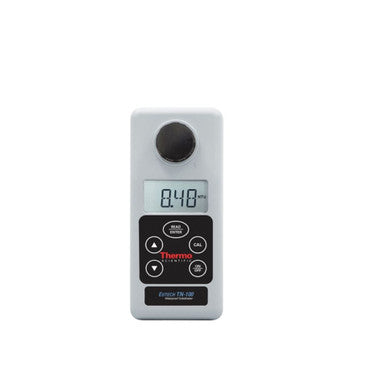
 TN-100-IR Waterproof Portable Turbidimeter (ISO 7027 Compliant)
SKU: EUT-TN-100-IRRs. 100,182.00 Incl. GST -
-
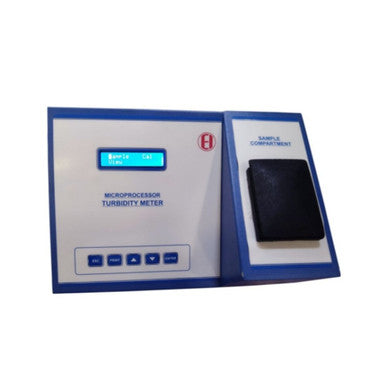 Electronics India
Model 1341 Microprocessor Digital Turbidity Meter
SKU: EI-DVI-TUR-1341Rs. 35,990.00 Incl. GST -
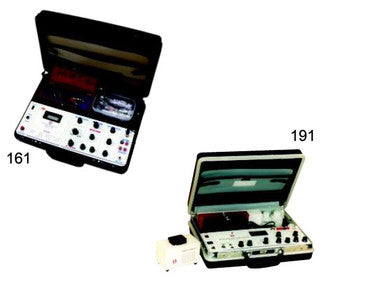 Electronics India
Deluxe Digital Water and Soil Analysis Kit 191 – pH, EC, TDS, DO, Turbidity Meter
SKU: EI-SOIL-191Rs. 51,330.00 Incl. GST
Choosing a turbidity meter for water testing
Match the method and reporting units
A turbidity meter measures how particles scatter light. Instrument design, light source and detector geometry influence the reported result. Check the method named in your SOP or customer specification before comparing readings shown in NTU or FNU. A meter that covers the right numerical range still needs the appropriate method if you report against a specified procedure. If you are replacing an existing meter, share its model, the units recorded in your reports and the standards currently used. This helps distinguish a like-for-like replacement from a model intended for a different workflow.
Compare low-range performance before maximum range
A treated water sample near a low operating limit calls for different checks from a cloudy raw-water or process sample. Start with the values you actually expect to see. Review the published resolution and accuracy for that part of the range. Where your method needs several ranges, confirm whether the instrument switches range automatically and how the result is displayed. If both clarified and visibly cloudy samples are tested at the same station, ask whether one instrument and calibration routine can handle both jobs according to your procedure.
Decide where the sample will be measured
A benchtop meter is practical when samples arrive at one station and the operator can keep standards, sample cells and records together. A portable unit is useful when readings are needed beside the plant or at multiple sampling points. Check battery options, carrying case, display visibility and the size of the sample vial. For an installed, continuous measurement, specify the sampling arrangement and required output separately. If you sample from a line or tank, tell us how the sample is collected and whether the result needs to be available on site immediately.
Check sample cells and calibration standards
Ask which cells fit the exact meter and how many come in the kit. Follow the instrument manual for cleaning, handling and orienting the vial. Fingerprints, scratches and bubbles can affect how light passes through the sample cell. Use the calibration standards and verification checks specified by your method and meter manual. For repeat testing, confirm whether replacement vials and standards are available separately and which standard values the model accepts. A verification routine and a supply of clean cells are especially useful when several operators share the same instrument.
Prepare the information needed for a quote
Send the sample type, expected lowest and highest turbidity, units, measurement method and whether you need a portable or bench instrument. Mention any requirement for data storage, export, calibration documentation or replacement sample cells. If you are buying for a water treatment plant, tell us whether you test raw water, filtered water, final water or several points. If an existing model is failing, provide its label and the standard values on hand. With those details, the quote can identify a complete kit and show which consumables to budget for.
Request a quote and share your application, required specifications and quantity.