Kitchen Thermometers: Why You Need One and How to Use It
Scispectrum Lab Essentials
Kitchen Thermometers: Why You Need One and How to Use It
Are you tired of second-guessing whether your chicken is cooked through? Do you nervously poke your steak, hoping it's reached the perfect medium-rare? Say goodbye to the guesswork with a kitchen thermometer.
Why Is a Kitchen Thermometer So Important?
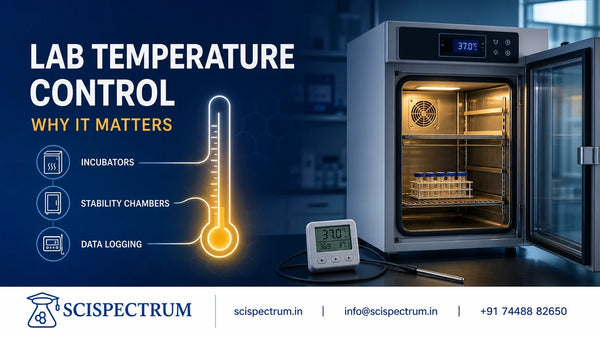
Food safety is paramount. Undercooked food can harbor harmful bacteria that cause foodborne illnesses, while overcooked food can be dry, tough, and lacking in flavor. A kitchen thermometer eliminates the guesswork, ensuring your food reaches the correct internal temperature for both safety and deliciousness. Food Safety: accurately measures internal temperature to kill harmful bacteria, especially crucial for meats, poultry, and fish. Perfect Doneness: achieve perfectly cooked steaks, chicken, fish, and more. Consistent Results: takes the variability out of cooking. Candy Making and Baking: essential for sugar syrup consistency and checking dough, oil, or frying temperatures.
Types of Kitchen Thermometers
Instant-Read Thermometers: provide quick temperature readings within seconds — versatile for checking doneness of meats, liquids, and various cooking tasks. Meat Thermometers (Leave-in): designed to stay in the meat while it cooks, continuously monitoring internal temperature, often with alarms. Candy/Deep Fry Thermometers: have a higher temperature range, suitable for monitoring hot oil or sugar syrups. Oven Thermometers: ensure your oven's temperature is accurate, allowing you to adjust settings if necessary.
How to Use a Kitchen Thermometer
Instant-Read: insert the probe into the thickest part of the food, avoiding bone or fat, and wait a few seconds until the reading stabilizes. Leave-in Meat Thermometers: insert the probe into the thickest part of the meat before cooking and monitor throughout. Candy/Deep Fry: clip to the side of the pot, ensuring the probe is submerged but not touching the bottom. Oven Thermometers: place inside the oven.

Safe Internal Temperatures
Refer to a reliable source like the USDA Food Safety and Inspection Service for recommended safe internal temperatures. A few examples: Poultry: 165°F (74°C). Ground Meat: 160°F (71°C). Beef, Pork, Lamb, Veal (Steaks, Roasts, Chops): 145°F (63°C) with a 3-minute rest time. Fish: 145°F (63°C).
Kitchen Thermometers at Scispectrum
We supply instant-read, leave-in, candy/deep-fry, and oven thermometers from ThermoPro and other trusted brands.
Frequently Asked Questions
Conclusion
Investing in a quality kitchen thermometer is a small price to pay for ensuring food safety and achieving culinary excellence. By taking the guesswork out of cooking, you can enjoy delicious, perfectly cooked meals every time, while safeguarding your health and the health of your family and friends.
Browse Kitchen Thermometers Get a Quote on WhatsApp