Best Soil pH Meters for Agriculture and Gardening
Scispectrum Lab Essentials
Best Soil pH Meters for Agriculture and Gardening
Ever wonder why some plants thrive while others just won't grow, no matter how much you water or fertilize them? The secret often lies in something you can't see: your soil's pH level.
Why Soil pH Matters
Soil pH (0–14 scale) affects nutrient availability to plants. Most vegetables, flowers, and crops thrive in slightly acidic to neutral soil (pH 6.0–7.0). If pH is too high (alkaline) or too low (acidic), plants can't absorb nutrients like iron or phosphorus. This leads to yellowing leaves, stunted growth, and poor harvests. A soil pH meter helps you fix imbalances before plants suffer.
Types of Soil pH Meters: Choose the Right One for You
Analog pH Meters
Basic and budget-friendly, usually one probe with an analog dial. No batteries required, and good for casual gardeners.
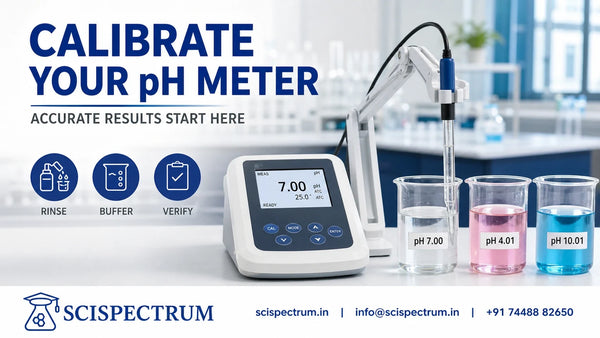
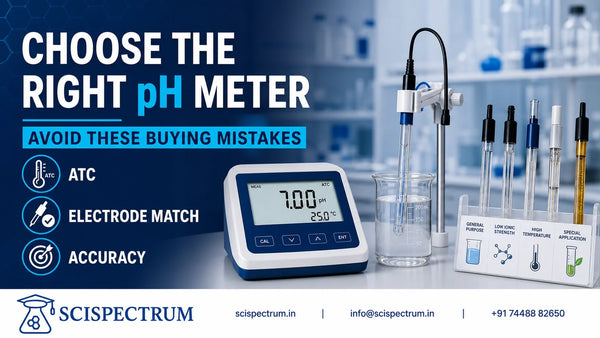
Digital pH Meters
Precise readings on an LCD screen, battery-operated, and often include moisture/temp/light readings.
3-in-1 or 4-in-1 Testers
Measure pH, moisture, sunlight (and sometimes NPK) — great for beginners needing a full soil health overview.
pH Test Kits
Use chemical tablets and color charts — affordable but less precise.

Soil pH Meters at Scispectrum
We supply analog, digital, and multi-parameter soil pH meters from Bluelab, SKY, R-TEK, Eutech, and Aquasol suited to home gardens through professional agricultural use.
Frequently Asked Questions
Conclusion
Investing in a soil pH meter is a simple yet powerful way to transform your gardening and farming efforts. By understanding and managing your soil's pH, you're making informed decisions that lead to healthier, more productive plants. Whether you choose a simple analog device or a feature-rich digital meter, the right tool will unlock your soil's full potential.
Browse pH Meters Get a Quote on WhatsApp