How a Polarimeter Works - Principles of Optical Rotation
Scispectrum Lab Essentials
How a Polarimeter Works: Principles of Optical Rotation
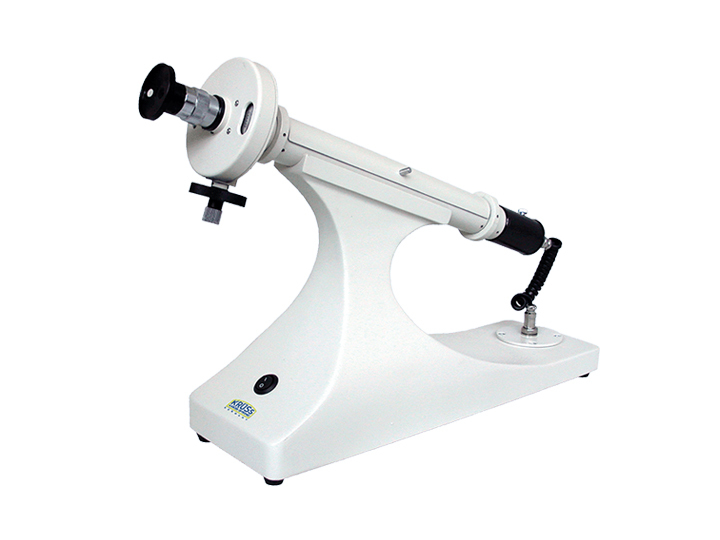
A polarimeter is an essential analytical instrument widely used in chemistry, pharmaceuticals, food science, and research laboratories to measure the optical rotation of optically active substances. When certain substances such as sugars, essential oils, amino acids, and chiral organic compounds interact with polarized light, they cause the light to rotate either to the left or right. This rotation provides extremely valuable information about the substance's identity, concentration, purity, and structural characteristics.
Optical Rotation: The rotation of the plane of polarized light as it passes through a sample containing optically active molecules. These molecules lack a plane of symmetry — their mirror images are non-superimposable, like your left and right hands — and are called chiral compounds. Dextrorotatory (+) substances rotate light clockwise; levorotatory (–) substances rotate it counter-clockwise.
The magnitude of optical rotation depends on: the nature of the substance, concentration of the solution, wavelength of light (standard polarimeters use 589 nm sodium light), length of the sample tube, and temperature.
Basic Principle of a Polarimeter
A polarimeter works on a simple yet powerful principle: plane-polarized light passes through an optically active sample and the instrument measures the angle by which the light is rotated. It consists of five components:
Light source: traditional polarimeters use a sodium vapor lamp emitting monochromatic light at 589 nm; modern digital polarimeters use LED light sources, which are energy-efficient, stable, and long-lasting. Polarizer: an optical filter that converts ordinary light into plane-polarized light. Sample tube: a transparent tube of known length (usually 1 dm or 2 dm) — longer tubes produce greater rotation. Analyzer: a second polarizer placed after the sample tube that rotates to determine how much the light has been rotated. Detector/display: a photodetector and digital display that measures the angle of rotation precisely.
How a Polarimeter Works: Step-by-Step
- Light Emission: the lamp or LED generates a beam of monochromatic light, ensuring only a single wavelength is used, eliminating interference.
- Polarization of Light: the light passes through a polarizer, producing plane-polarized light with vibrations aligned in one direction.
- Interaction with the Sample: the polarized light enters the sample tube; if the sample contains chiral molecules, the orientation of the light plane changes — left or right.
- Rotation Measurement: the analyzer rotates until maximum light passes through it, and the instrument determines how many degrees it rotated to achieve maximum illumination.
- Output Display: the rotation angle is displayed digitally, often used with the specific rotation formula to calculate concentration or purity.

Specific Rotation Formula
[α] = α / (l × c)
Where: [α] = Specific rotation, α = Observed rotation (angle measured), l = Path length (dm), c = Concentration (g/mL or %)
Using this formula, laboratories can determine concentration of sugars, purity of pharmaceutical intermediates, strength of essential oils, and identity of chiral compounds.
Applications of Polarimeters
Sugar Industry
Used extensively to measure sugar concentration (Brix value) in solutions. Refineries and food manufacturers rely on polarimetry for quality control.
Pharmaceutical Analysis
Many drugs contain optically active molecules. Polarimeters help determine purity, enantiomeric excess, and concentration during synthesis and quality testing.
Chemical Manufacturing
Chiral synthesis and organic chemistry rely on polarimetry to analyze reaction progress and molecular structure.
Food and Beverage Quality Control
Honey, fruit juices, dairy products, and wine contain optically active components monitored using polarimeters.
Academic & Research Laboratories
Students and researchers use polarimeters to understand stereochemistry, chirality, and optical activity.
Advantages of Modern Digital Polarimeters
High measurement precision with minimal human error, stable LED light sources with longer lifespan, automatic temperature compensation for accurate readings, fast measurement speeds ideal for high-throughput QC, user-friendly digital interface and data export options, and easy calibration using certified standards.
Polarimeters at Scispectrum
We supply manual, semi-automatic, and fully automatic digital polarimeters suited to education, sugar QC, pharma, and food/beverage analysis.
Frequently Asked Questions
Conclusion
Polarimeters are indispensable instruments for analyzing optically active substances by measuring their optical rotation. By understanding their working principle, components, and applications, laboratory professionals can ensure accurate and reproducible results across the sugar industry, pharmaceuticals, food testing, and academic research.
Browse Polarimeters Get a Quote on WhatsApp