How to Measure pH of Water: A Beginner’s Guide (2025)
Scispectrum Lab Essentials
How to Measure pH of Water: A Beginner's Guide

Water is everywhere — whether in drinking glasses, aquariums, swimming pools, or garden irrigation systems. But did you know that its pH level, which shows how acidic or alkaline the water is, can affect health, taste, and safety?
What Is pH and Why Does It Matter?
The pH scale goes from 0 to 14: 0–6.9 is acidic (lemon juice, vinegar), 7.0 is neutral (pure water), and 7.1–14 is alkaline (baking soda, bleach). Drinking Water: water with pH below 6.5 or above 8.5 can taste metallic or bitter and may corrode pipes. Aquariums: most fish thrive between pH 6.5 and 7.5; sudden changes can be harmful. Gardening: plants like tomatoes prefer pH 5.5–6.5, while hydrangeas prefer 6.0–7.0. Swimming Pools: ideal pH is 7.2–7.8 to prevent skin irritation and make chlorine more effective.
3 Tools to Measure pH of Water
1. pH Test Strips (Cheapest Option)
Dip the strip into the water and compare the color change to a chart. Accuracy: ±0.5 pH (low). Best for quick checks at home, like tap water or pool water.
2. Liquid Test Kits (Mid-Range Option)
Add a chemical reagent to the water and observe the color change. Accuracy: ±0.2 pH (moderate). Best for aquariums and swimming pools where regular testing is needed.
3. Digital pH Meters (Most Accurate Option)
Submerge an electrode in the water and read the digital value. Accuracy: ±0.01 pH (very accurate when calibrated). Best for labs, farms, or serious hobbyists who need precise readings.
Step-by-Step: Measuring pH with a Digital Meter
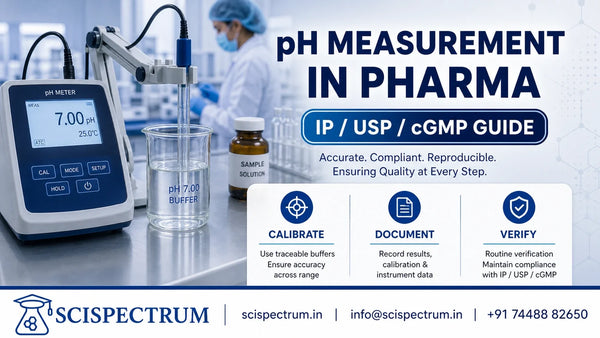
Step 1: Calibrate Your Meter
- Rinse the electrode with distilled water to remove any dirt.
- Dip the electrode in the pH 7.0 solution and wait for a stable reading.
- Adjust the meter to read exactly "7.0" using the calibration screw or auto-calibrate function.
- Repeat calibration steps using pH 4.0 and 10.0 solutions to ensure accuracy.
Step 2: Test Your Water
- Pour your water sample into a clean container (avoid metal or contaminated cups).
- Fully submerge the electrode tip into the water.
- Stir gently and wait 10 to 60 seconds until the reading stabilizes.
- Record the pH value displayed.
Step 3: Clean and Store
- Rinse the electrode again with distilled water.
- Wipe it gently using a soft cloth.
- Store the electrode in a KCl storage solution — never in tap water, which may damage the sensor.

5 Common Mistakes to Avoid
Skipping Calibration: not calibrating regularly causes inaccurate readings — calibrate at least once a week. Testing Hot or Cold Water: temperature affects pH — use a meter with ATC or test at room temperature (around 25°C). Dirty Electrodes: always rinse after each use to prevent residue buildup. Storing Dry Electrodes: dry electrodes may crack — always store in storage solution. Using Expired Buffer Solutions: old calibration solutions give false results — check expiration dates before use.
pH Meters at Scispectrum
We stock pen-type, portable, and lab-grade pH meters suited to home water testing through professional applications.
Frequently Asked Questions
Conclusion
Measuring pH is easy if you have the right tools. Calibrate your meter regularly, store electrodes in the correct solution, and test consistently at the same temperature for reliable results.
Browse pH Meters Get a Quote on WhatsApp