What is a TDS pH Meter? Your Beginner's Guide to Smarter Water Testing
Scispectrum Lab Essentials
What is a TDS pH Meter? Your Beginner's Guide to Smarter Water Testing
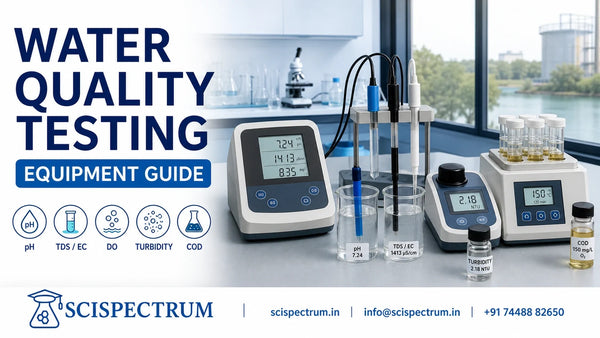
TDS pH Meter: A single, versatile device that measures two critical water quality parameters — pH and TDS (Total Dissolved Solids) — combining the functionality of a separate pH meter and TDS meter into one convenient tool. Popular for aquariums, hydroponics, and industrial and environmental monitoring.
What Is pH?
The pH scale is a measure of how acidic or basic a liquid is. The scale ranges from 0 to 14, where:
- Acids have a pH below 7. Examples include lemon juice and vinegar.
- Neutral substances have a pH of 7. Pure water is considered neutral.
- Bases (or alkaline) have a pH above 7. Examples include baking soda and bleach.
The correct pH level is crucial for many applications. For instance, in hydroponics, the pH of the nutrient solution directly impacts how well plants can absorb nutrients. Maintaining the proper pH is vital for plant growth and health.
What Is TDS (Total Dissolved Solids)?
TDS, or Total Dissolved Solids, measures the concentration of all inorganic and organic substances dissolved in a liquid — salts, minerals, and other matter.
- Units of Measurement: TDS is commonly measured in parts per million (ppm) or milligrams per liter (mg/L).
- What It Indicates: A high TDS reading doesn't automatically mean the water is unsafe, but it can indicate a high concentration of minerals. Hard water is rich in minerals like calcium and magnesium, resulting in a high TDS reading. A very high TDS level can also be a sign of potential contaminants.
How a TDS pH Meter Works
This 2-in-1 device uses two probes:
- pH Electrode — detects hydrogen ions (acidity).
- TDS Probe — measures electrical conductivity (more minerals = higher conductivity). Simple process: dip, wait 10 seconds, read the digital display.
The pH sensor, typically a glass probe, measures the activity of hydrogen ions in the liquid. The TDS sensor, often two metal electrodes, measures the water's electrical conductivity — dissolved solids, especially salts, conduct electricity, so higher conductivity means higher TDS. The meter's internal circuitry converts these electrical signals into the pH and TDS values displayed on screen.

Types of TDS pH Meters
1. Pen-Type Meters
Best for: Quick checks (aquariums, drinking water). Compact, budget-friendly, waterproof 3-in-1 (pH + TDS + temp) models are the most popular entry point.
2. Portable Meters
Best for: Pools, farms, fieldwork. Stores multiple readings, waterproof, dual power options for extended field use.
3. Multiparameter Meters
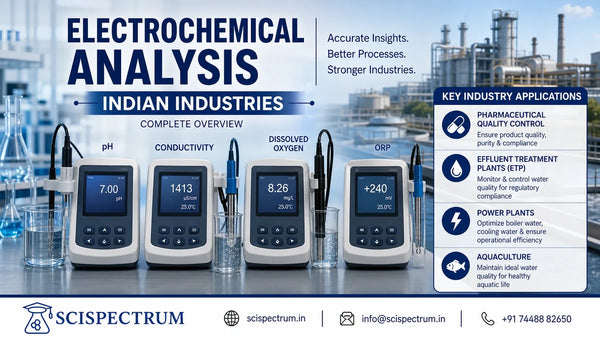
Best for: Labs, hydroponics, advanced testing. Tests pH + TDS + EC with a large display and high accuracy.
4. Benchtop Meters
Best for: Labs, research, frequent use. Offers 0.001 pH precision, multi-point calibration, and data logging.
Key Features to Look For
- Accuracy: pH ±0.1 (good), ±0.01 (lab-grade). TDS: ±2% error margin.
- Calibration: Auto-calibration saves time and reduces user error.
- Durability: IP67 waterproof rating for field and wet-area use.
- Probe Quality: Replaceable probes save long-term costs.
- Extra Parameters: Need temp/EC/salinity too? Go multiparameter.
Where You'll Use a TDS pH Meter
| Application | Ideal pH Range | Ideal TDS Range |
|---|---|---|
| Drinking Water | 6.5–8.5 | < 500 ppm |
| Aquariums | 6.5–7.5 | 100–250 ppm |
| Swimming Pools | 7.2–7.8 | 500–1500 ppm |
| Hydroponics | 5.5–6.5 | 800–1500 ppm |
| Labs | User-defined | User-defined |
How to Use Your Meter: 3 Simple Steps
- Calibrate: Use pH 7.0 buffer solution (always first).
- Dip & Stir: Submerge probes, swirl gently for 10 seconds.
- Read & Clean: Note values, rinse with distilled water, store probes moist.
TDS pH Meters at Scispectrum
We supply TDS pH meters across pen-type, portable, multiparameter, and benchtop tiers, sourced from established brands with GST invoicing.
Frequently Asked Questions
Conclusion
Whether you're a gardener, aquarium hobbyist, or lab professional, a TDS pH meter solves water quality mysteries you can't see. Start with a pen-type for home use, or invest in a multiparameter or benchtop model for precision.
Browse pH & TDS Meters Get a Quote on WhatsApp