How to Choose the Right Electrochemical Analyzer for Water Testing in 2026
Scispectrum Lab Essentials
How to Choose the Right Electrochemical Analyzer for Water Testing in 2026
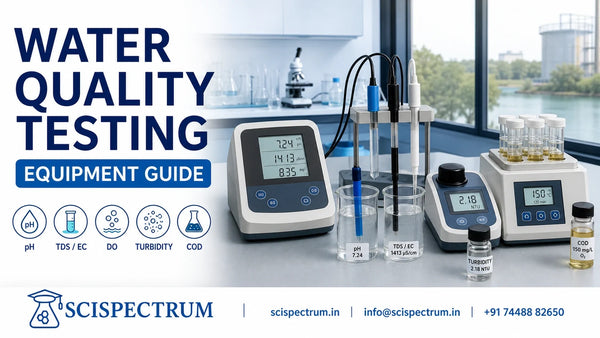
Water quality testing has become increasingly critical across industries in 2026. With stricter environmental regulations, advanced quality standards, and growing operational demands, selecting the right electrochemical analyzer is essential for achieving accurate and reliable water analysis. From pharmaceutical manufacturing and food processing to wastewater treatment and industrial process control, modern industries depend on high-performance water testing equipment to maintain compliance, ensure product quality, and optimize operational efficiency.
Electrochemical Analyzer: An analytical instrument used to measure the chemical and electrical properties of water using specialized electrodes and sensor technologies — monitoring pH, ORP, conductivity, TDS, dissolved oxygen, salinity, and ion concentration.
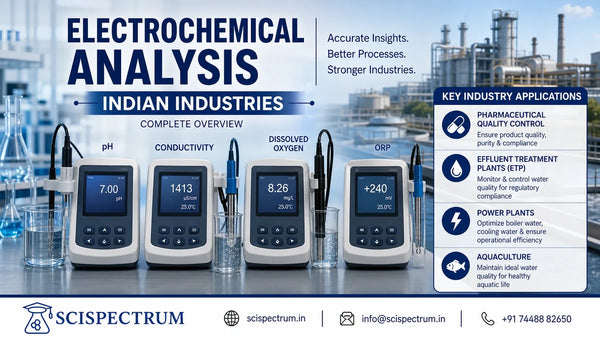
These analyzers are used across water treatment plants, pharmaceutical laboratories, food and beverage processing, environmental monitoring, chemical manufacturing, research institutions, and industrial process control systems. Modern laboratory water testing equipment now includes advanced digital sensors, intelligent diagnostics, automatic calibration systems, and predictive maintenance capabilities.
Types of Electrochemical Water Analyzers
1. pH Analyzers
pH analyzers measure the acidity or alkalinity of water and are among the most widely used analytical instruments in industrial and laboratory environments. Key applications: pharmaceutical production, drinking water analysis, chemical processing, laboratory research. Key selection factors: electrode quality and lifespan, automatic temperature compensation, calibration stability, fast sensor response time, low signal drift.
2. ORP Analyzers
ORP analyzers measure oxidation-reduction potential, indicating the oxidizing or reducing capability of water. Common applications: swimming pool monitoring, wastewater treatment, disinfection systems, industrial sanitation. Important features: platinum sensor stability, contamination resistance, long-term durability, reliable low-maintenance operation. ORP monitoring is especially important in chlorine-based water treatment systems where maintaining proper oxidation levels is essential for safety and compliance.
3. Conductivity Analyzers
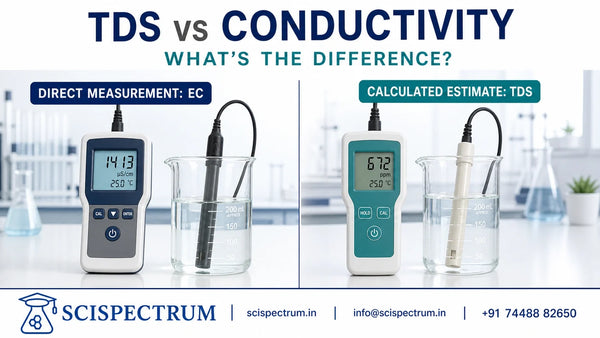
Conductivity analyzers determine the ability of water to conduct electrical current, reflecting the concentration of dissolved ionic substances. Used in boiler water analysis, reverse osmosis systems, industrial water purification, and semiconductor manufacturing. What to look for: wide conductivity measurement range, automatic range switching, precise temperature compensation, durable conductivity cells, high sensitivity for ultrapure water. For pharmaceutical and semiconductor industries, ultra-precise conductivity monitoring is critical for maintaining water purity standards.
4. Dissolved Oxygen (DO) Analyzers
DO analyzers measure oxygen concentration in water and are essential for biological and environmental applications — aquaculture, wastewater treatment, environmental monitoring, fermentation industries. Key features: optical or membrane sensor technology, rapid response time, low maintenance requirements, extended sensor lifespan. Optical dissolved oxygen sensors are increasingly preferred over membrane types due to reduced maintenance and improved operational stability.
Portable vs Benchtop vs Online Water Analyzers
| Analyzer Type | Best Use | Advantages | Limitations |
|---|---|---|---|
| Portable Analyzer | Field Testing | Lightweight, battery-operated, mobile testing | Limited continuous operation |
| Benchtop Analyzer | Laboratory Analysis | High accuracy, multi-parameter support | Not suitable for field environments |
| Online Water Analyzer | Industrial Monitoring | Continuous real-time process monitoring | Higher installation cost |
Portable analyzers are ideal for on-site water quality testing and environmental field analysis, with modern models including Bluetooth connectivity, cloud synchronization, GPS tagging, and data logging. Benchtop analyzers provide superior analytical accuracy for research laboratories, QC departments, pharmaceutical testing, and educational institutions — with multi-parameter analysis, automatic electrode recognition, GLP-compliant data management, and USB/PC integration. Online water analyzers continuously monitor industrial water systems in real time — water treatment facilities, cooling towers, food processing plants, and power generation — enabling immediate corrective action and SCADA integration.

Why Accuracy Matters in Water Testing
Analytical accuracy is one of the most critical factors when selecting an electrochemical analyzer. Even minor measurement deviations can impact product quality, regulatory compliance, process stability, research reliability, and operational efficiency.
| Parameter | Recommended Accuracy |
|---|---|
| pH | ±0.01 pH |
| Conductivity | ±0.5% FS |
| Dissolved Oxygen | ±0.2 mg/L |
| ORP | ±1 mV |
High-precision laboratories should always invest in research-grade analyzers supported by certified calibration standards.
Calibration Requirements
Before purchasing, ask: does the analyzer support automatic calibration? How many calibration points are available? Are calibration reminders included? Is GLP documentation supported? Can calibration data be exported digitally? The latest electrochemical analyzers in 2026 increasingly feature auto-buffer recognition, digital calibration records, predictive maintenance alerts, and intelligent sensor diagnostics.
Sensor Quality and Electrode Selection
The sensor is the core component of every electrochemical analyzer. Poor-quality sensors cause unstable readings, frequent recalibration, short sensor lifespan, higher maintenance costs, and measurement inconsistencies. High-quality sensors provide chemical resistance, fast stabilization, low signal drift, durable construction, and easy replacement.
Final Buying Checklist
- Required measurement parameters
- Accuracy specifications
- Sensor and electrode quality
- Calibration capabilities
- Data logging and connectivity
- Industry compliance requirements
- Service and technical support
- Long-term scalability
The ideal electrochemical analyzer should balance performance, reliability, ease of maintenance, and long-term operational cost.
Electrochemical Analyzers at Scispectrum
We supply pH, ORP, conductivity, and dissolved oxygen analyzers across portable and benchtop tiers from established brands including Eutech, with GST invoicing for institutional procurement.
Frequently Asked Questions
Conclusion
Selecting the right electrochemical analyzer for water testing is essential for maintaining accurate analytical results, operational efficiency, and regulatory compliance. Whether you require a portable field meter, a high-precision laboratory analyzer, or a continuous online monitoring system, understanding your application requirements is the foundation for making the right investment.
Browse Analyzers Get a Quote on WhatsApp