
-
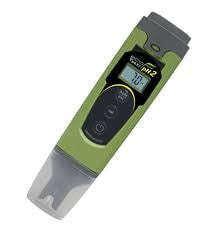 Eutech
PEN TYPE Model ECO PH TEST 2 Resolution 0.1pH(ATC) Ph buffer Point 3pt Range -1 to 14pH Small Display with Auto Cal.
SKU: EUT-PH-ECOPHTEST2Rs. 10,915.00 Incl. GST -
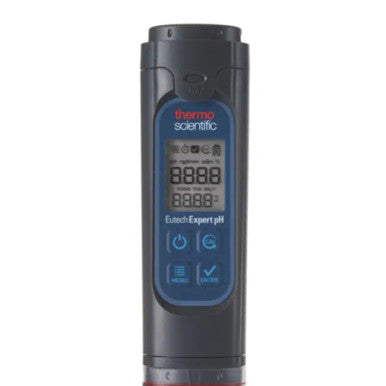 Eutech
PEN TYPE Model pH EXPERT EUTECH ph Range 0 - 14/0.1 3 point calibration
SKU: EUT-PH-EXPERTPHRs. 12,685.00 Incl. GST -
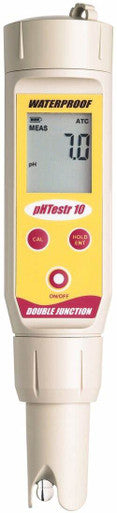 Eutech
PEN TYPE Model PH TEST 10 Resolution 0.1pH Ph buffer Point 3pt with ATC Range -1 TO 15pH Big Display
SKU: EUT-PH-PHTEST10Rs. 14,042.00 Incl. GST -
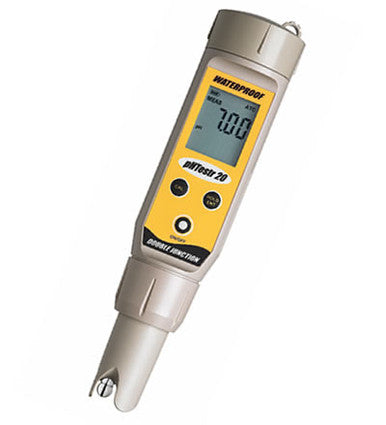 Eutech
PEN TYPE Model PH TEST 20 Resolution 0.01pH Ph buffer Point 3pt with ATC Range -1 TO 15pH Big Display
SKU: EUT-PH-PHTEST20Rs. 18,762.00 Incl. GST -
 Eutech
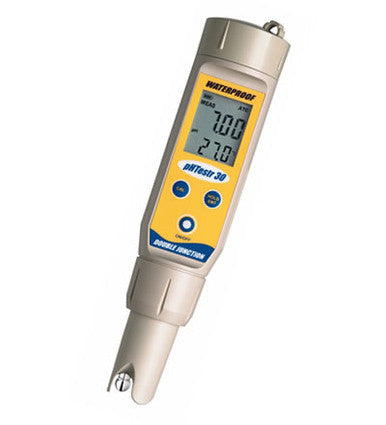
PEN TYPE Model PH TEST 30 Resolution 0.01pH Ph buffer Point 3pt with ATC Range -1 TO 15pH TEMP. Display
SKU: EUT-PH-PHTEST30Rs. 24,662.00 Incl. GST -
 Eutech
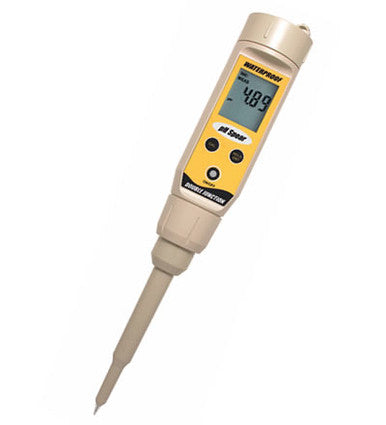
PEN TYPE Model PH SPEAR Resolution 0.01pH Ph buffer Point 3pt Range -1 to 15pH Tipped electrode for semi solids
SKU: EUT-PH-SPEARRs. 56,050.00 Incl. GST -
 Eutech
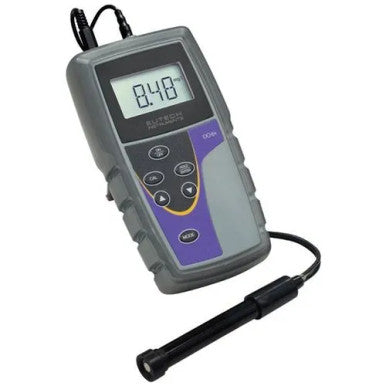
PH METER pH602 PLUSK Parameter pH , mv no memory power battery no Output
SKU: EUT-PH-ECPH602PLUSKRs. 56,050.00 Incl. GST -
 Mettler Toledo
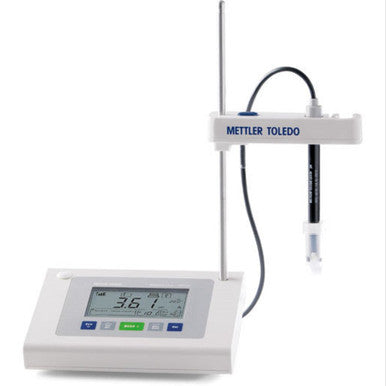
METTLER TOLEDO PH METER FP20 bio kit RANGE -2 TO 16 PH/ 0.01 RESOLUTION with LE410 sensor
SKU: FP20Rs. 53,100.00 Incl. GST -
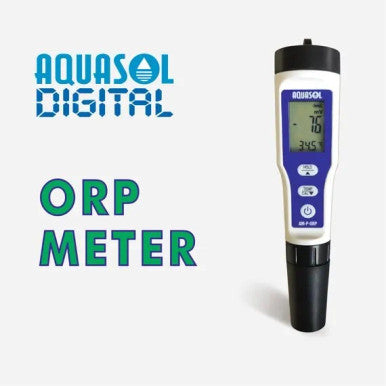 Aquasol
ORP Meter Aquasol AMPORP Range -1000 to +1000 mv MRP -RATE
SKU: AQU-ORP-AMPORPRs. 5,900.00 Incl. GST -
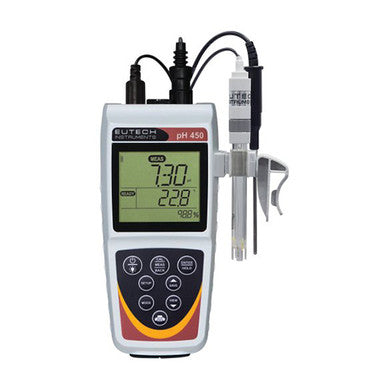 Eutech
pH WP 450 02K Parameter pH, Ion, mv 500 Memory Power main/Battery RS 232 Output
SKU: EUT-PH-ECPHWP45002KRs. 83,190.00 Incl. GST -
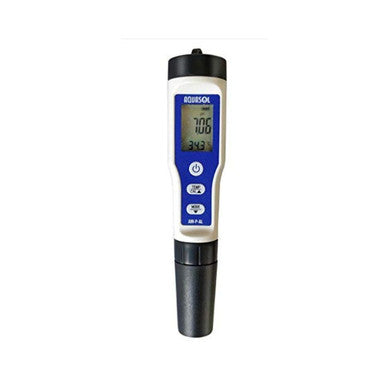 Aquasol
 AM-PH-01 Digital Handheld pH Meter – Accurate Water & Liquid Tester
SKU: AMPH01Rs. 6,490.00 Incl. GST -
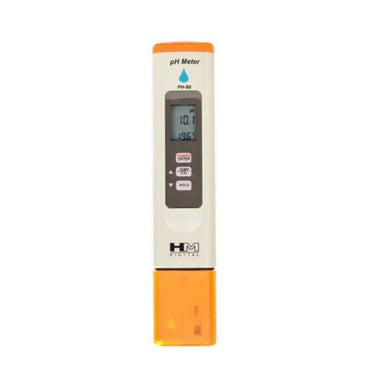 HM Digital
 PH-80 pH HydroTester: Water Resistant pH & Temperature Meter for Hydroponics, Pools & More
SKU: PH-80Rs. 3,245.00 Incl. GST -
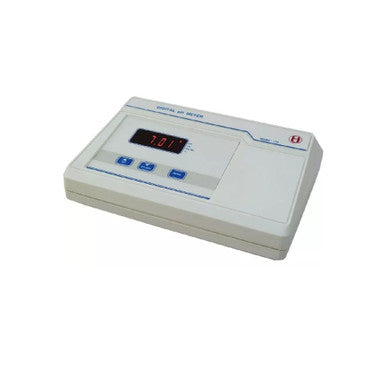 Electronics India
 Model 111 Digital pH Meter | Manual Temp Compensation
SKU: EI-PH-111Rs. 10,856.00 Incl. GST -
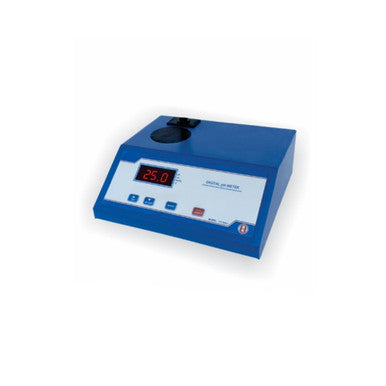 Electronics India
EI-DVI Digital pH Meter 111 Advance+ with Built-in Stirrer | High Precision Lab & Industrial pH & mV
SKU: EI-111-ADVANCERs. 23,482.00 Incl. GST -
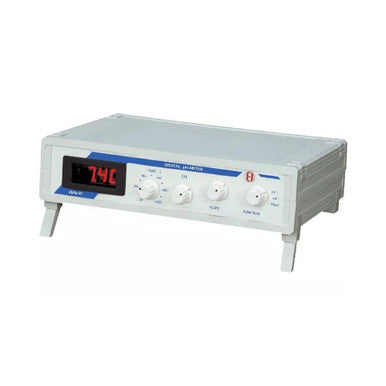
-
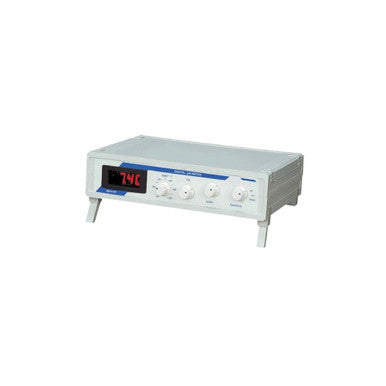
-
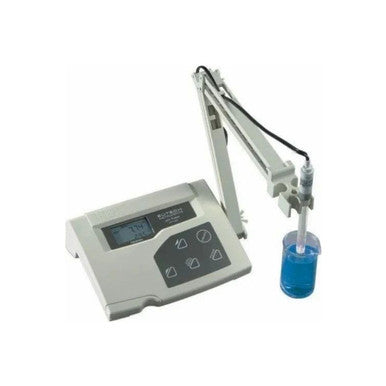 Eutech
 PH Tutor - DS Bench pH Meter | High Accuracy Laboratory pH Measurement
SKU: EUT-PH-TUTOR-DSRs. 45,430.00 Incl. GST -
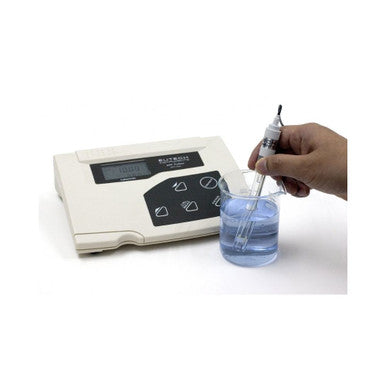 Eutech
 pH Tutor-I Bench pH Meter - Accurate Lab pH Measurement
SKU: EUT-PH-TUTOR-IRs. 28,615.00 Incl. GST -
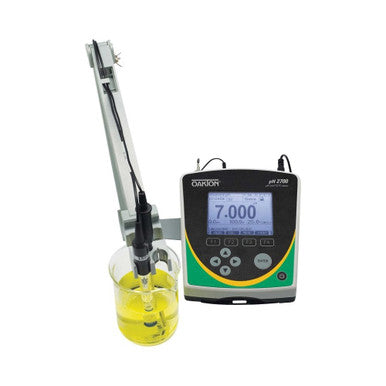 Eutech
 pH 2700 Research-Grade Bench Meter Kit with Printer – ECPH27005E-P
SKU: EC-PH-27005E-PRs. 156,350.00 Incl. GST -
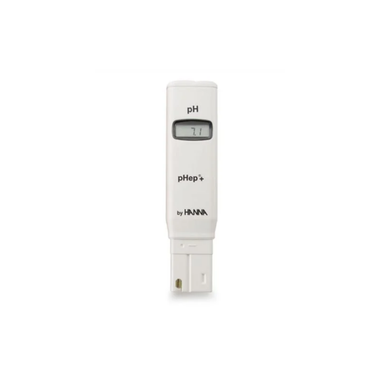 Hanna Instruments
Hanna HI98108P pHep+ Waterproof Pocket pH Tester
SKU: HI98108PRs. 4,425.00 Incl. GST
How to choose a pH meter
Start with the sample and where you test it. A meter for a QC bench, a meter carried between ETP sampling points and a pocket tester for quick water checks serve different jobs.
Benchtop, portable or pocket?
- Benchtop pH meter: Choose this format for repeated measurements at a fixed workstation. Compare accuracy, calibration options and the electrode included with the kit.
- Portable pH meter: Choose a handheld meter for field sampling or moving between test points. Check the probe cable length, power supply and ingress protection for your site.
- Pocket pH tester: A compact option for quick checks. Compare accuracy and calibration options against your method before choosing one for routine QC.
Check the electrode and buffers before ordering
Tell us what you test and the expected pH and temperature range. Clean water, low-conductivity water and viscous samples can need different electrodes. For a replacement probe, check the meter model, pH connector and temperature probe connection. Compare electrodes and solutions and pH calibration buffers.
Does ATC correct the sample pH to 25 °C?
Automatic temperature compensation adjusts for the electrode’s temperature response. A sample’s own pH can change with temperature, so record the sample temperature if your method requires it.
What to look for in your application
- Pharma or routine lab QC. Start with the test method or SOP. Check the required accuracy, accepted buffer set and whether you need sample IDs, calibration records or data export.
- ETP or field sampling. Decide whether you need spot readings from grab samples or continuous monitoring at a fixed point. For spot checks, check the meter’s enclosure rating and whether the electrode junction is suitable for samples with suspended solids.
- RO, DI or purified water. Low-conductivity water can give slow or drifting readings. Specify the sample and its conductivity, if known, when asking for an electrode recommendation.
Which pH calibration buffers should I order?
Follow your method and choose values recognised by the meter. For example, pH 4.01 and 7.00 can bracket an acidic sample around pH 5. For a sample around pH 9, pH 7.00 and 10.01 may be suitable if the meter supports that buffer set.
What should a pH meter quote include?
Ask for the exact meter model, electrode part number and what comes in the box. Check whether the temperature probe, stand, buffers and storage solution are included or quoted separately. If your lab needs a calibration certificate or other documentation, mention it when requesting the quote.
How do you know if you need a new electrode?
If a meter that used to work now takes longer to stabilise or struggles to calibrate, check the buffers, electrode condition and storage first. Follow the electrode manual for cleaning and conditioning, then test again with fresh buffers. If you still need a replacement, note the electrode part number, connector and whether the temperature sensor is built into the probe or connected separately. This helps you order a compatible electrode and check whether your existing meter can stay in service.
Need help choosing a meter? Request a pH meter quote and share the sample type, expected pH range and whether you test at a bench or in the field.