
Compare dissolved oxygen meters for water testing, aquaculture, wastewater and laboratory work. Choose the meter and probe together based on where you measure, the oxygen range you expect and how you need to record the result.
-
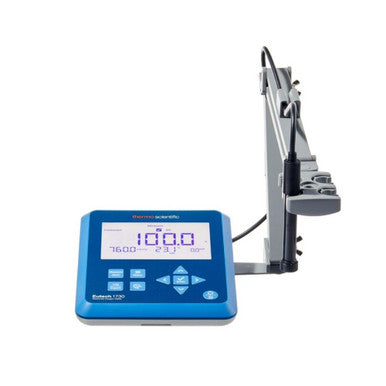 Thermo Scientific
Eutech DO 1730 Industrial Dissolved Oxygen Monitor (EBDX173001)
SKU: EUT-MTP-EBDX173001Rs. 168,150.00 Incl. GST -
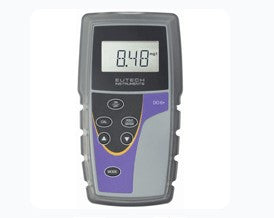 Eutech
Model DO602K DO METER Range 0 to19.99 mg/0.01 ppm TO199.9% IP Rating IP 54
SKU: EUT-DO-DO602KRs. 111,510.00 Incl. GST -
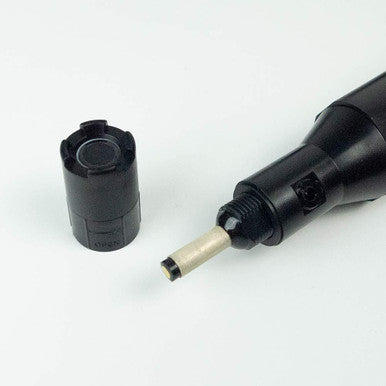 Lutron
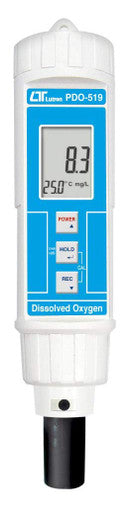
Model 5519 Lutron DO Meter 0 - 20 mg/l air calibration , Data logger and Rs 232 Options available . Software extra
SKU: LUT-DO-LUTDO5519Rs. 26,845.00 Incl. GST -
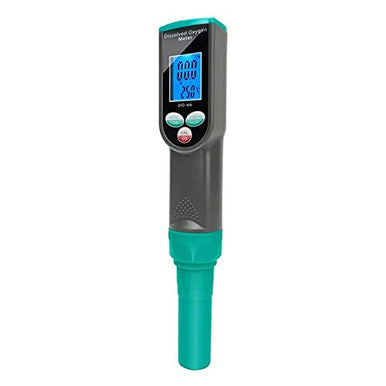 Kerro
Model DO 66 PRO kerro DO meter Pen type 0-16 Mg/liter, pen type
SKU: KER-DO-DO66Rs. 19,470.00 Incl. GST -
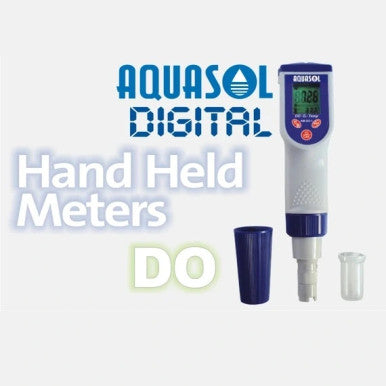 Aquasol
AQUASOL MODEL AMDO01 RANGE 0-20PPM DO & 0-200% OXYGEN (O2)
SKU: AQU-DO-AMDO01Rs. 31,270.00 Incl. GST -
-
 Lutron
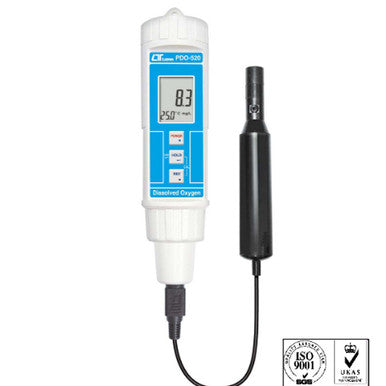
Model PDO 520 Lutron DO meter Pen type 0-20 ppm, Taiwan with Detachable probe
SKU: LUT-DO-PDO520Rs. 22,125.00 Incl. GST -
-
-
Choosing a dissolved oxygen meter and probe
Define the measurement before choosing a model
Dissolved oxygen is commonly reported as a concentration in mg/L or as percent saturation. Concentration is useful when a method or operating limit gives a value in mg/L. Percent saturation describes the oxygen level relative to saturation under the conditions used by the instrument. If your team compares readings from different locations, decide which unit you will record and whether temperature, salinity or barometric pressure must be logged alongside it. For low oxygen work, check the accuracy and response of the meter and probe near your operating limit.
Compare optical and electrochemical probes
An optical DO probe uses a sensing cap. Ask how the cap is replaced and whether its service items can be ordered separately. Electrochemical probes use a membrane system and may need electrolyte or membrane replacements, depending on the design. Some also require sample movement to avoid a low reading, so check the model manual for flow or stirring requirements. Ask about warm-up and calibration steps for the exact probe you are offered. A shortlist should account for the time operators have for maintenance as well as the cost of replacement parts.
Choose equipment for the sampling location
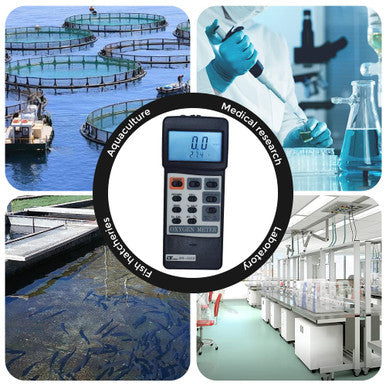
For pond checks or environmental sampling, consider a portable meter with a probe cable long enough to reach the measurement depth safely. For an aeration basin, tell us whether readings are taken manually at selected points or continuously at one installed location. A continuous monitor needs a mounting arrangement and, where applicable, the correct signal output for your controller. If you are checking a sample brought to a bench, follow your method for collection, timing and sample handling, because oxygen can change between collection and measurement. Specify the method if the instrument is intended for BOD work.
Check compensation and calibration requirements
Temperature, salinity and pressure affect how the instrument calculates or calibrates a DO reading. For brackish water or samples with changing salinity, confirm whether the meter accepts a manual salinity value or obtains it from a compatible conductivity sensor. Check the pressure setting or sensor used by the meter and the manufacturer’s calibration procedure. If field operators share one instrument, make sure the settings can be checked before each measurement and that the output records the units you need. For reporting, ask whether the model exports readings with time and sample identifiers.
Compare the complete kit before requesting a quote
Check whether the price covers the meter, DO probe, cable, storage or calibration accessories and any membrane, electrolyte or optical cap required to put the kit into service. A handheld display and a complete field kit can have different part numbers. For a useful quote, share your sample type, expected DO range, fresh or saline water, preferred probe length and whether you need spot checks or continuous monitoring. If the instrument will replace an existing setup, send the meter and probe labels so the parts can be matched.
Request a quote and share your application, required specifications and quantity.