
Compare REMI mechanical stirrers for laboratory mixing, formulation and pilot batches. Match the drive, shaft and impeller to the liquid, vessel and required speed, especially when choosing between direct drive and geared models with the same stated capacity.
-
-
-
 Remi
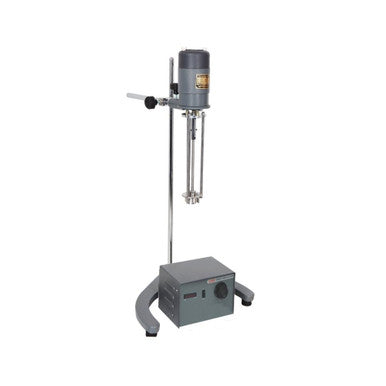
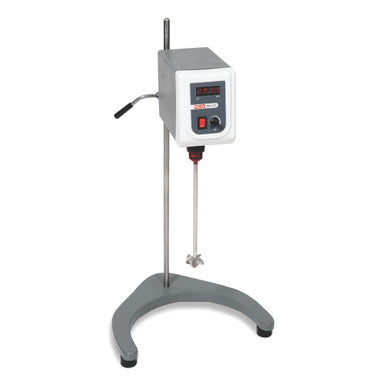
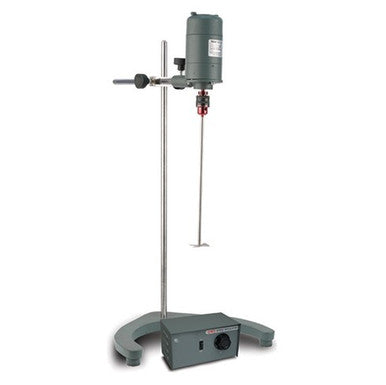
Remi RQT-127/D Digital High-Speed Emulsifier Stirrer 8L
SKU: REMI-EMU-RQT-127/DRs. 25,960.00 Incl. GST -
 Remi
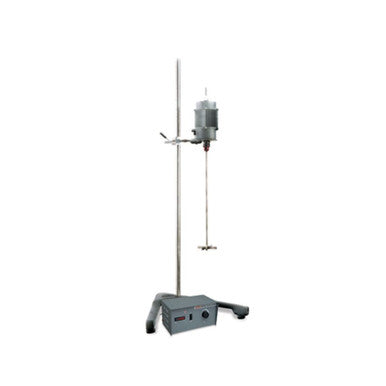
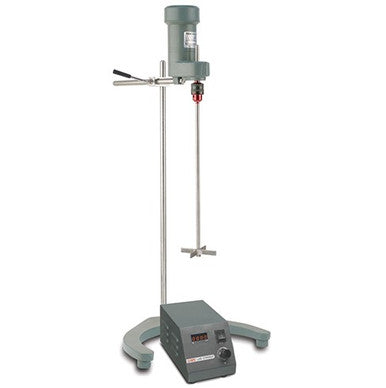
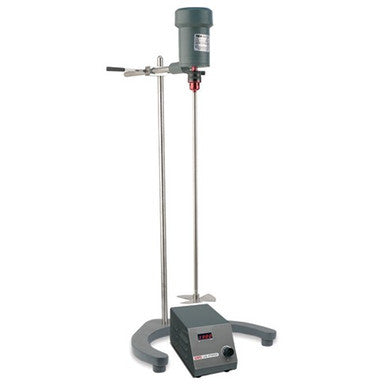
Remi RQG-128C/D Heavy Duty Low Speed AC Brushless Geared Stirrer (20 L)
SKU: REMI-MES-RQG-128C/DRs. 25,370.00 Incl. GST -
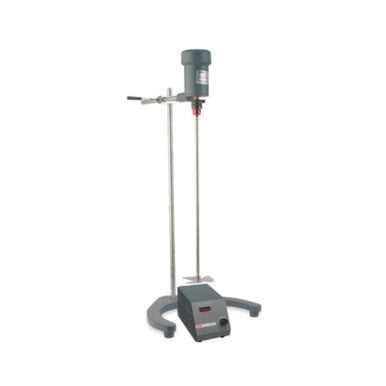 Remi
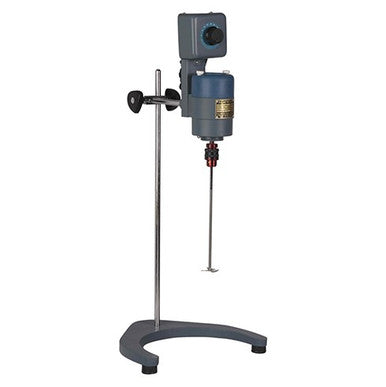
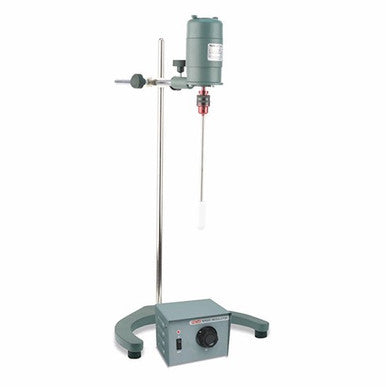
Remi RQ-129/D Direct Drive Digital Laboratory Stirrer, 50 Litre stirring Capacity
SKU: REMI-MES-RQG-RQ-129DRs. 24,072.00 Incl. GST -
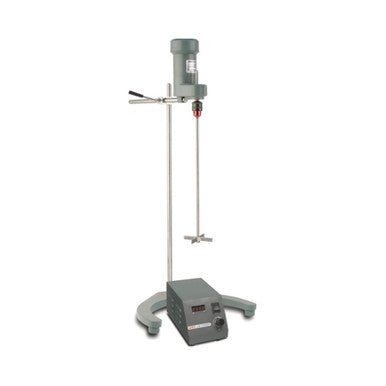 Remi
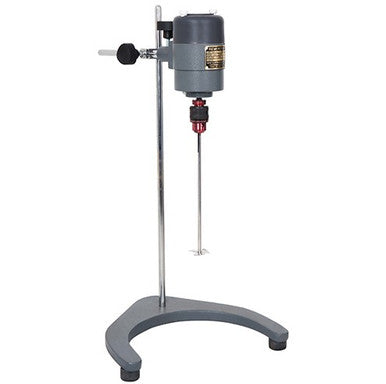
Remi RQG-126/D PMDC Geared Stirrer | Medium-Duty High-Torque Mixer for 15 Litre Viscous Liquids
SKU: REMI-MES-RQG-126DRs. 25,960.00 Incl. GST -
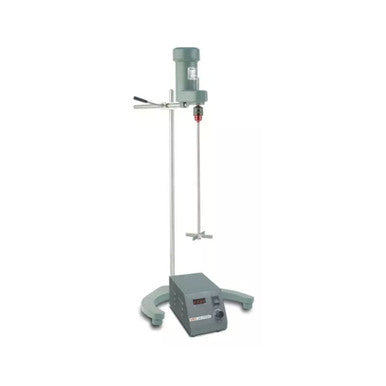 Remi
Remi RQG-129D Digital Geared Stirrer, Stirring capacity 25 L, High Torque for Viscous Fluids
SKU: REMI-MES-RQG-129DRs. 29,500.00 Incl. GST -
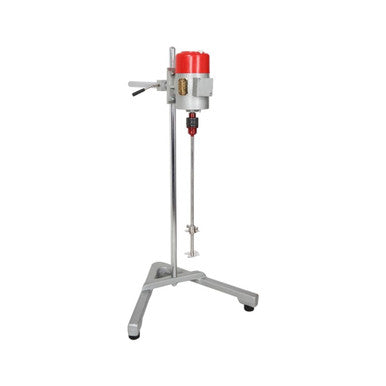 Remi
REMI RQ-134L/D High-Speed Laboratory Stirrer, 60 Litres Capacity
SKU: REMI-MES-RQ-134L/DRs. 29,500.00 Incl. GST -
 Remi
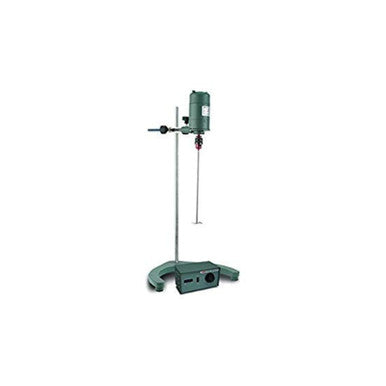
Remi RQ-134 H/D Heavy Duty Direct Drive Laboratory Stirrer - 80L Capacity
SKU: REMI-MES-RQ-134 H/DRs. 33,040.00 Incl. GST -
 Remi
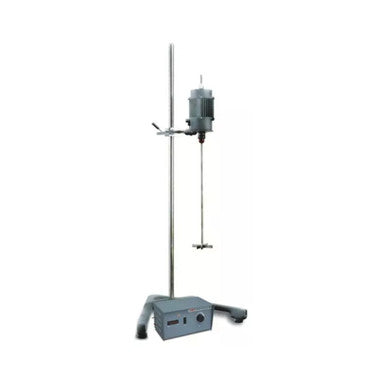
Remi RQT-134H/D Digital Direct Drive Stirrer | Heavy Duty 80L Lab Mixer, 500-5000 RPM
SKU: REMI-MES-RQT-134H/DRs. 43,660.00 Incl. GST -
-
 Remi
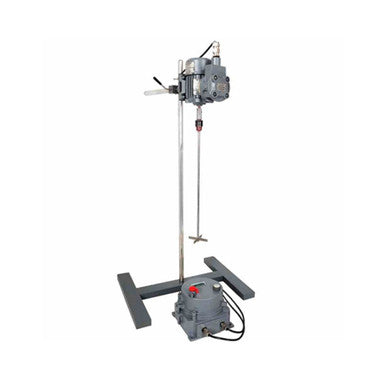
Remi RQ-140DFP Flameproof AC Mechanical Stirrer, 40 Litre Capacity, 1400 RPM
SKU: REMI-MES-RQ-140DFPRs. 118,000.00 Incl. GST
Choosing a mechanical stirrer for your batch
Start with the liquid and the job
Write down the normal batch volume, the thickest condition the material reaches and the purpose of mixing. A stirrer for dissolving a powder in water faces a different load from one that has to keep a paint or viscous oil moving at low speed. A batch can also thicken as ingredients are added or as its temperature changes. If you know the viscosity, share the value, unit and temperature. If you do not, describe the ingredients, the stage where the mixture thickens and whether solids settle or foam forms.
Compare the drive type before comparing litres
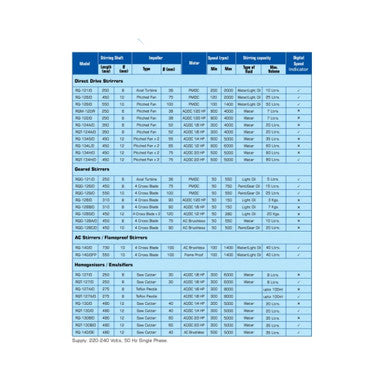
REMI lists the direct drive RQ-126/D for aqueous and low viscosity liquids such as light oil. The geared RQG-129/D is designed for lower speed work with viscous materials. Both appear in the 25 litre class, but the stated capacity applies to the fluid and setup described in the manufacturer’s catalogue. For example, a 25 litre water batch and a 25 litre paint batch can call for different drive types even if the tanks are similar. Ask for the torque available at the speed you plan to use and confirm the intended fluid with the supplier.
Choose the shaft and impeller around the vessel
Measure the vessel’s inside diameter, height, opening and normal fill depth. Check how far the shaft needs to reach when the motor is mounted on the stand. Confirm the shaft diameter fits the chuck and the impeller clears the vessel wall and bottom. Blade design affects whether the liquid circulates through the vessel or mainly moves near the impeller. Where the method requires a particular wetted material, specify it on the enquiry. Check whether the selected shaft and impeller are included with the model.
Separate routine mixing from dispersion or emulsification
Routine stirring can keep a liquid uniform or help dissolve an ingredient. Dispersing a powder or producing an emulsion may need a different impeller or a dedicated dispersing or emulsifying head. A wider speed range can be useful, but the selected impeller, required shear and ability to maintain speed under load determine whether the setup suits the work. If you have a repeatable process, provide the existing impeller type and mixing speed. If you are scaling up a recipe, share the current vessel and batch details so the new configuration can be compared against them.
Check the mounting and controls
Make sure the stand and clamp can hold the motor and keep the shaft centred over the vessel at the required working height. Check where the operator will read and adjust speed. A digital display can help when documenting a repeatable method. Confirm the stand, clamp, chuck, shaft and impeller as separate quotation items if the listing does not specify the package. For unusual environments or vessel configurations, include those requirements in the enquiry.
What to send for a model recommendation
Share the liquid or formulation, batch volume, viscosity if known, vessel dimensions and target RPM. Include the current equipment model if you are replacing a stirrer and the impeller type if it needs to match your existing process. For an application such as light oil, paint or gear oil, name the actual fluid. That helps distinguish the drive options before a model is quoted.
Related collections: Magnetic Stirrers
Request a quote and share your application, required specifications and quantity.